Blog

Moving Tips & Insights | Clancy Relocation Blog

Table of Contents

Key Takeaways

6 Strategies to Avoid Downtime in Business Relocation

  1. Develop a Detailed Moving Plan
  2. Hire Professional Movers
  3. Back Up All Critical Data and Documents
  4. Plan for IT and Equipment Setup in Advance
  5. Use a Phased Moving Approach
  6. Update Business Information and Notify Customers

Frequently Asked Questions

Ensure a Seamless Business Movith Expert Support!

Key Takeaways

Develop a clear moving plan with timelines and assigned responsibilities to reduce disruptions.

Hire professional business movers to streamline the relocation process and ensure efficiency.

Back up essential data and documents to prevent information loss and protect business continuity.

Plan IT and equipment set up in advance to minimize delays and ensure a smooth transition.

Use a phased moving approach to keep critical operations running while relocating gradually.

Update business information and notify customers to prevent confusion and service disruptions.

Relocating a business comes with many challenges, and downtime can lead to significant financial losses. According to recent research, large organizations can face costs as high as $9,000 per minute during operational disruptions. A well-planned move is essential to maintaining productivity and ensuring a smooth transition. Careful coordination, professional support, and proactive strategies can help minimize downtime and keep business operations running efficiently.

Here are six key strategies to avoid downtime during a business relocation.

6 Strategies to Avoid Downtime in Business Relocation

1. Develop a Detailed Moving Plan

Business moving requires careful planning to ensure a seamless transition. Without a structured approach, companies risk disruptions that could impact operations, revenue, and customer satisfaction.

Set Clear Timelines and Milestones

A structured timeline is essential for keeping the moving process organized and efficient. Establishing key deadlines ensures that all tasks are completed on time.

  • Create a Moving Schedule: Outline all phases of the move, from packing to setting up at the new location. Set realistic deadlines for each step.
  • Set Key Milestones: Identify major checkpoints, such as securing a new office, finalizing lease agreements, and transferring utilities. Tracking progress helps prevent delays.
  • Allocate Buffer Time: Unexpected challenges may arise, so incorporating extra time for unforeseen issues can help avoid last-minute complications.

Assign Responsibilities to Key Team Members

A successful move requires a team effort. Delegating tasks to specific employees ensures accountability and efficiency throughout the process.

  • Designate a Move Coordinator: A dedicated point of contact streamlines communication between corporate relocation services, management, and employees.
  • Assign Department Leads: Each department should have a representative responsible for overseeing their area’s packing and relocation.
  • Establish a Communication Plan: Regular meetings and status updates keep all employees informed and engaged in the transition.

Identify Potential Risks and Create Contingency Plans

Moving a business involves risks, including logistical challenges, IT disruptions, and operational delays. Preparing for potential obstacles minimizes their impact.

  • Assess Operational Risks: Consider factors such as internet downtime, delays in equipment setup, and disruptions in customer service.
  • Develop Backup Strategies: Work with professional business movers to create alternative solutions in case of unforeseen circumstances, such as delayed transportation or damaged assets.
  • Ensure Business Continuity: Implement temporary solutions, such as remote work arrangements or backup office spaces, to maintain productivity during the move.

2. Hire Professional Movers 

Relocating a business requires careful planning and expertise to ensure minimal disruption. Hiring professional business movers with experience in commercial moves can make the transition smooth and efficient.

Choose a Moving Company with Experience in Commercial Moves

Not all moving companies specialize in business moving. Selecting a mover with expertise in handling corporate transitions ensures that the process is managed efficiently and securely.

  • Industry Experience: A company specializing in corporate relocation services understands the unique challenges of moving offices, warehouses, and retail spaces. They have the expertise to handle sensitive equipment, large office furniture, and business assets with care.
  • Proven Track Record: Checking references, online reviews, and past client testimonials can help determine if a moving company has successfully managed similar business relocations.
  • Customized Solutions: Reliable small business movers provide tailored business transition solutions, ensuring that the move aligns with specific company needs, timelines, and operational requirements.

Ensure They Provide Packing, Transportation, and Setup Services

A full-service moving company streamlines the relocation process by handling all essential steps, from packing to setting up the new space.

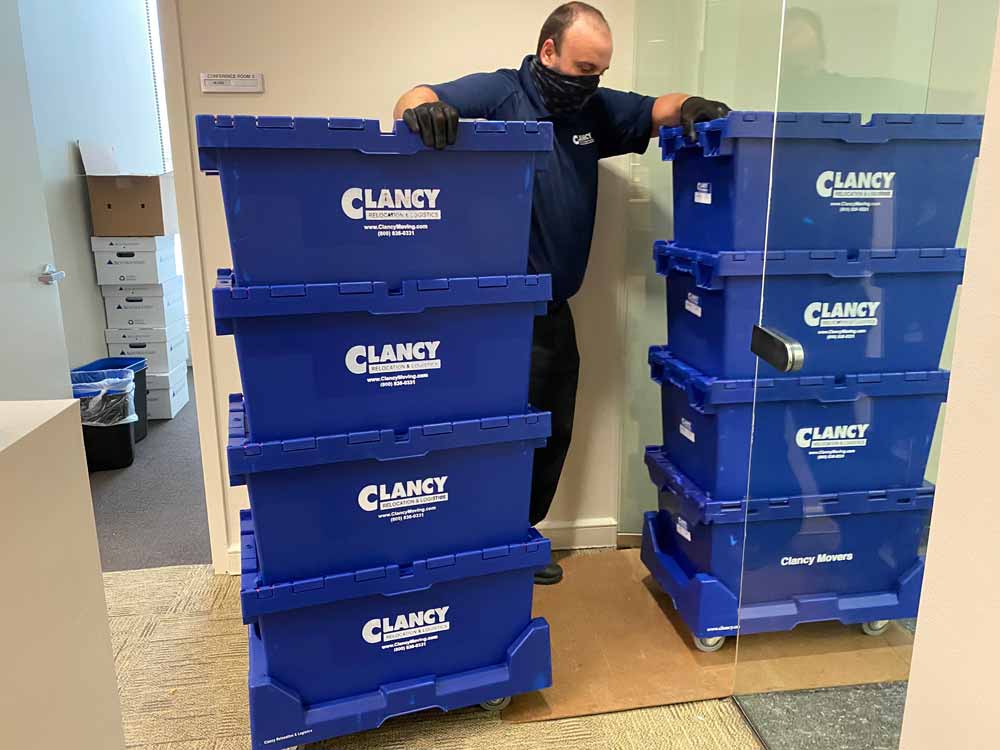
  • Packing Services: Professional movers use high-quality materials to secure office furniture, electronics, and documents, preventing damage during transit.
  • Safe Transportation: Specialized moving trucks and equipment ensure that all business assets are securely transported, reducing the risk of delays or losses.
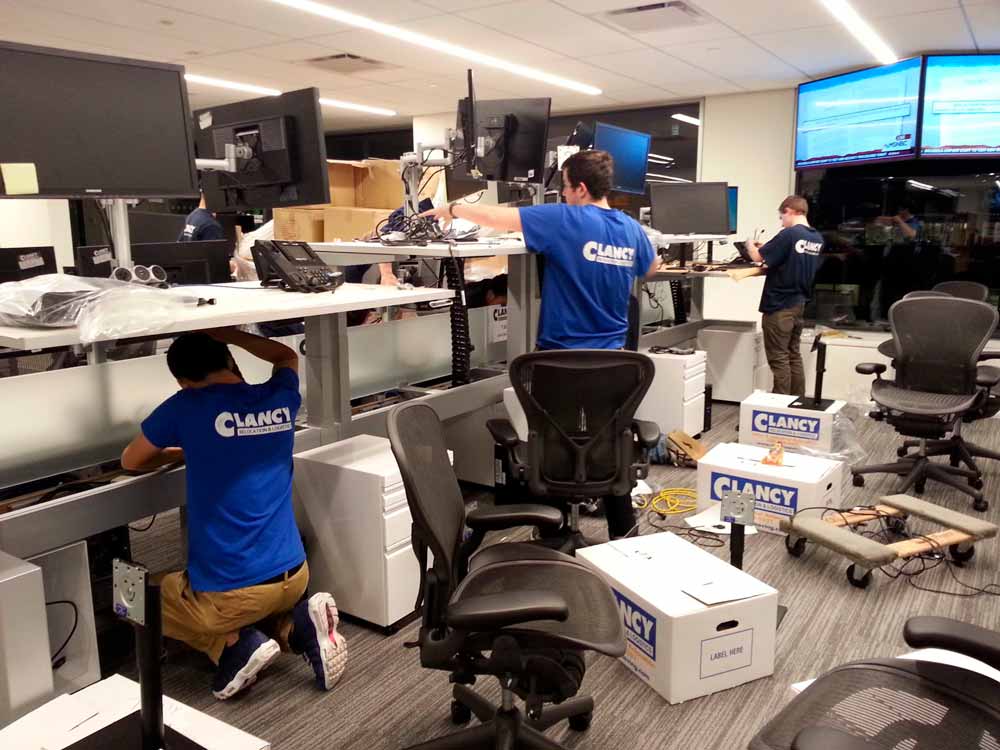
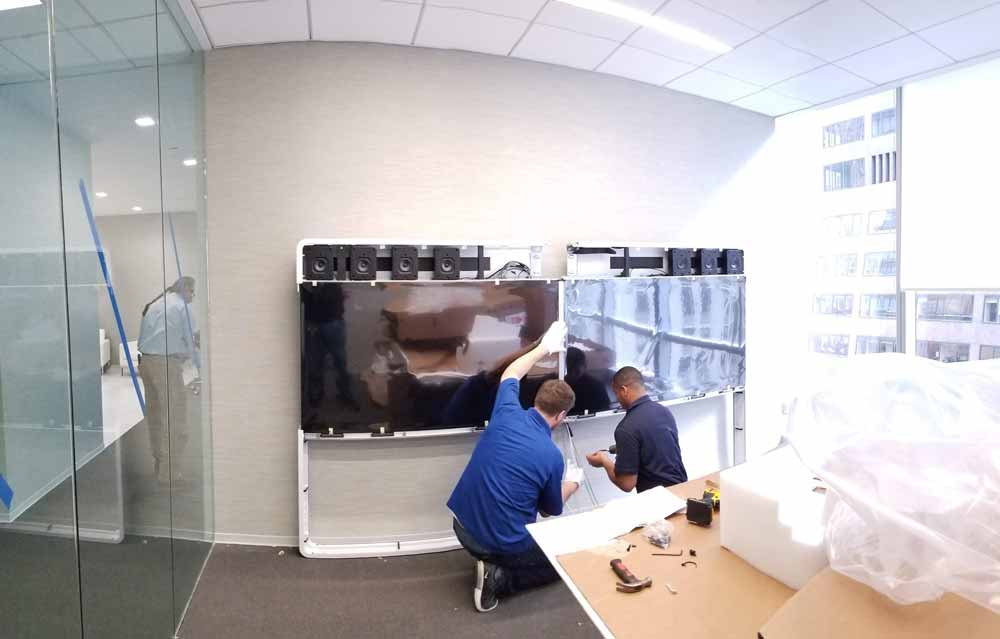
  • Workstation Setup: Some small business movers offer workstation reassembly, IT infrastructure setup, and placement of office furniture, allowing employees to resume work quickly.

Verify Valuation and Liability Coverage

Protecting business assets during relocation is essential. Before hiring a moving company, it is crucial to confirm that they offer adequate coverage.

  • Comprehensive Valuation: Reliable movers provide valuation to cover potential damage or loss of office equipment and furniture during the move.
  • Liability Protection: Ensuring that the moving company has liability coverage protects against unforeseen accidents that may occur during loading, unloading, or transportation.
  • Contract Transparency: Reviewing contracts in detail helps businesses understand coverage terms, potential exclusions, and any additional fees that may apply.

3. Back Up All Critical Data and Documents

A business move comes with many risks, including the potential loss of valuable data and important documents. With 76% of organizations experiencing critical data loss and 45% losing their data permanently, having a structured backup plan is essential.

Store Digital Files Securely on Cloud or External Drives

Digital records are crucial for any business, making it vital to store them safely during a corporate relocation. Cloud storage and external drives offer secure options to prevent data loss.

  • Cloud Storage: Provides remote access to files, automatic backups, and protection against hardware failure. Cloud-based solutions allow employees to retrieve information from any location, ensuring uninterrupted workflow during the business transition.
  • External Hard Drives and USBs: Offer a reliable offline backup option in case of internet disruptions. Encrypting data on external devices adds an extra layer of security.
  • Automated Backup Systems: Reduces human error by ensuring all critical files are regularly saved. Scheduling backups in advance prevents the loss of recent updates or transactions.

Ensure All Essential Paperwork Is Organized and Accessible

Physical documents are just as important as digital files. Proper organization ensures that important records remain available when needed.

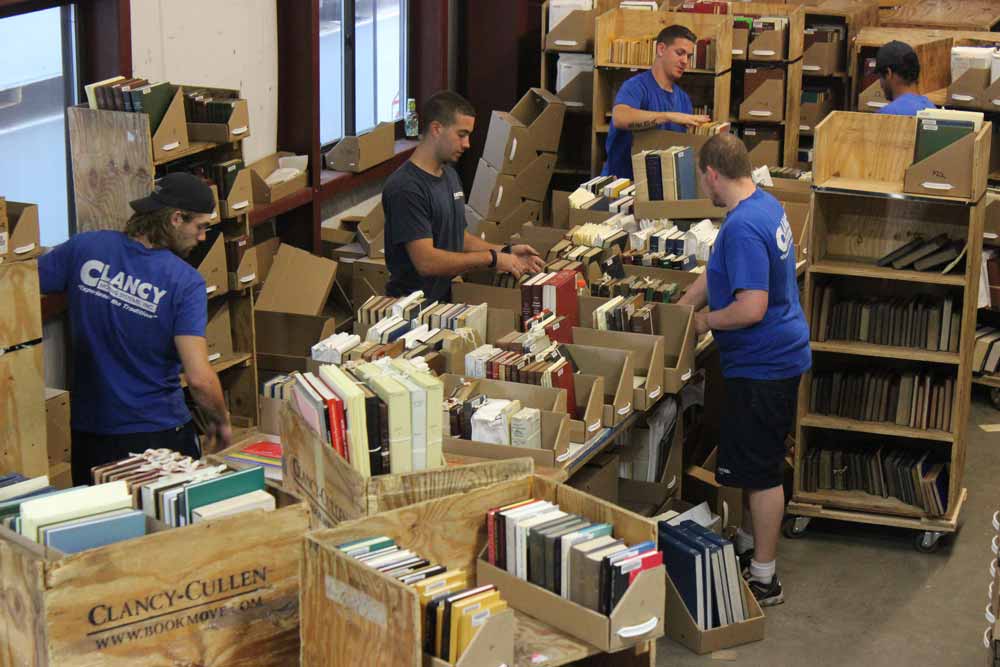
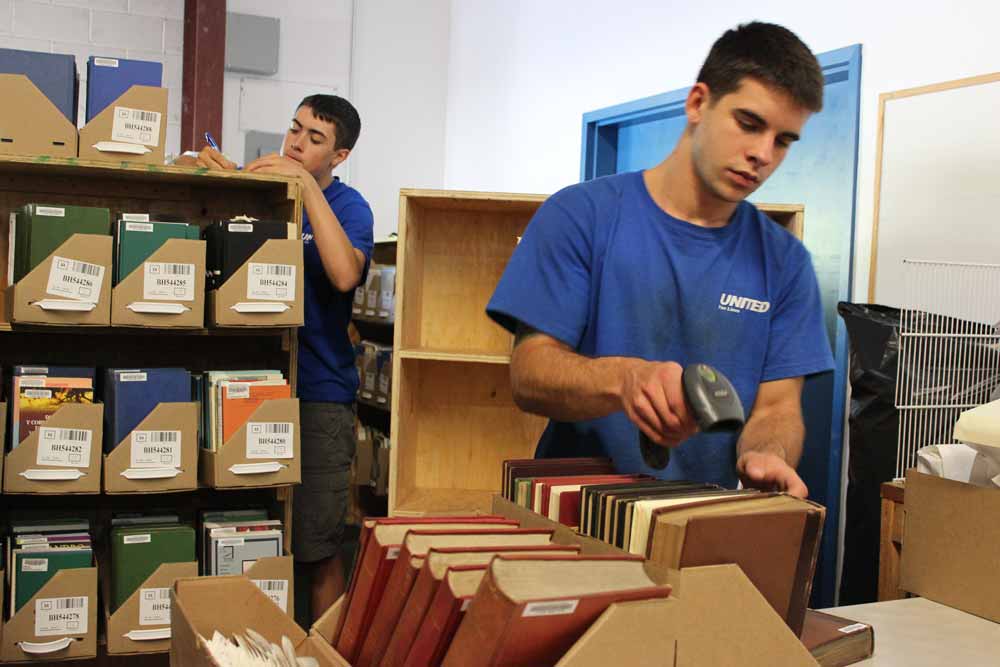
  • Categorized Filing System: Sorts documents by type, such as contracts, tax records, and employee information, making retrieval easier. Labeling boxes clearly helps small business movers and employees locate files efficiently.
  • Duplicate Copies: Prevents loss by keeping copies of essential paperwork at a separate location. A secure offsite backup ensures business records remain intact in case of damage during transport.
  • Document Scanning: Converts paper files into digital formats, making them easier to store and access. Digital copies also reduce the risk of misplacing important records.

Implement Cybersecurity Measures to Protect Sensitive Information

Data security is a top priority when transitioning to a new location. Ensuring cybersecurity measures are in place protects businesses from data breaches and cyber threats during the move.

  • Password Protection and Encryption: Strengthens security by requiring authentication for sensitive files. Encrypted data ensures that unauthorized users cannot access critical business information.
  • Firewalls and Antivirus Software: Shields digital systems from potential cyberattacks. Updating security software before the move prevents vulnerabilities.
  • Restricted Access: Limits who can view or modify important files, reducing the risk of accidental deletion or data leaks. Assigning specific permissions keeps confidential information secure.

4. Plan for IT and Equipment Setup in Advance
Clancy Relocation

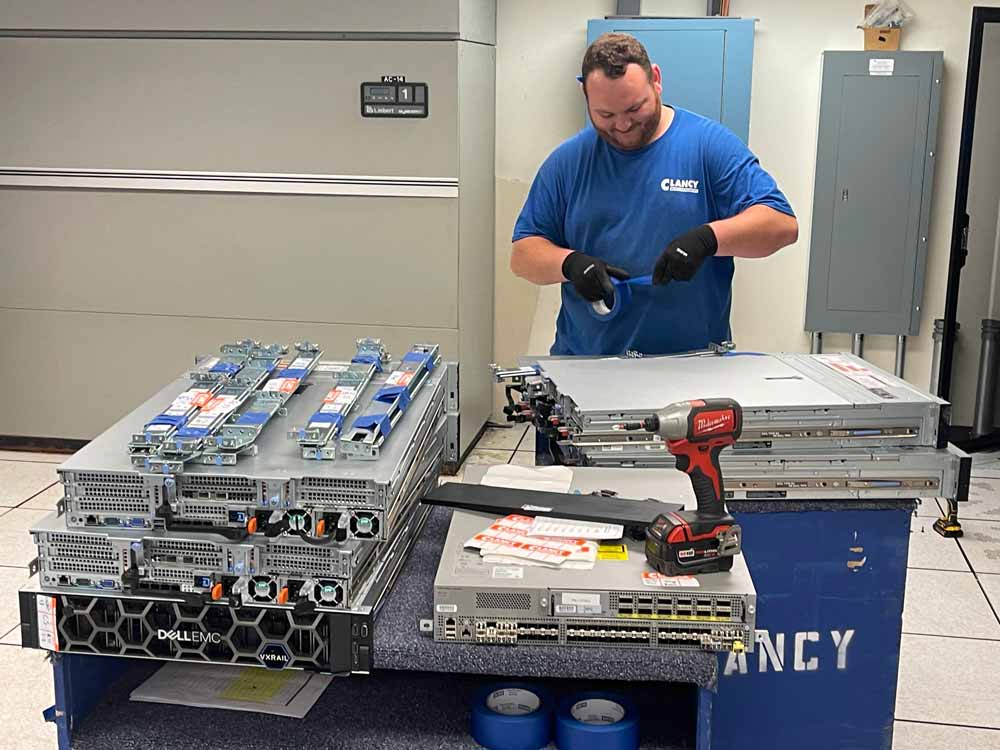
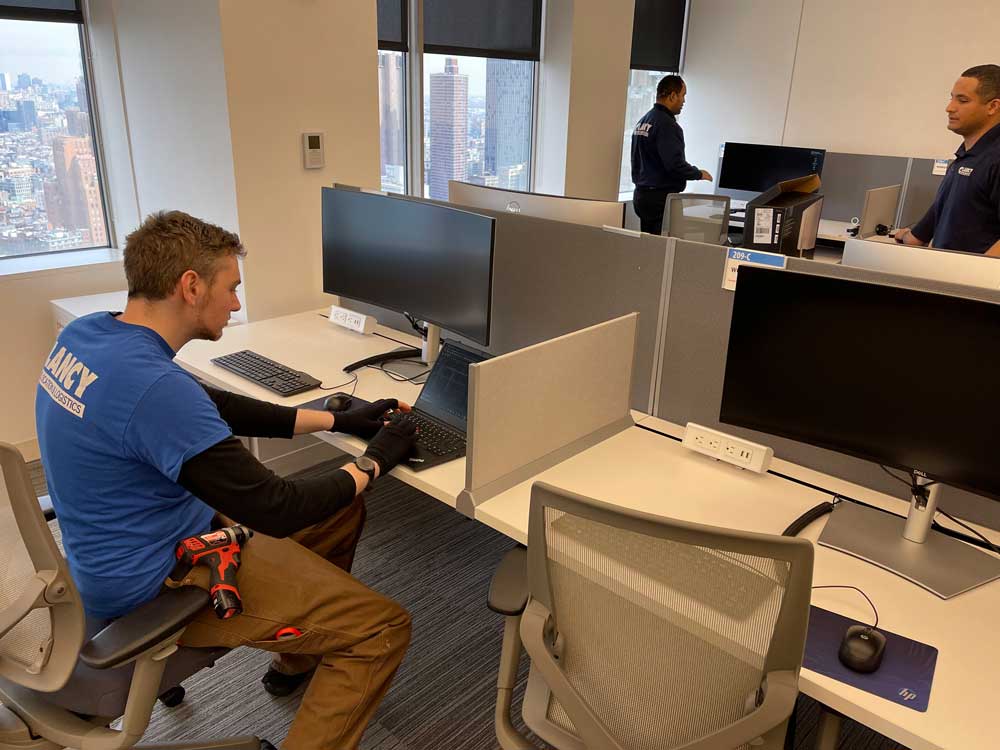
IT infrastructure and equipment setup play a crucial role in maintaining operations during business moving, as even a brief downtime can have significant financial consequences. 

Coordinate With IT Staff Early

Engaging the IT team well before the move is essential for a smooth setup. IT professionals can help ensure that networks, servers, and communication systems are properly installed and tested.

  • Assess Current IT Infrastructure: Review all hardware and software to determine what needs to be upgraded, replaced, or reconfigured in the new location.
  • Develop a Transition Plan: Outline steps for disconnecting, transporting, and reconnecting IT systems while minimizing downtime.

Minimize Disruptions to Business Operations

A well-planned IT relocation strategy can prevent unnecessary delays and ensure that the company remains operational throughout the move.

  • Schedule IT Setup Before Employee Arrival: Ensure that networks, computers, and phone systems are fully operational before employees begin working in the new space.
  • Use Corporate Relocation Services: Professional business movers with expertise in IT relocation can handle sensitive equipment safely and efficiently.
  • Implement Temporary Solutions: Set up remote work options or backup communication systems to maintain business continuity.

Test All Equipment Before Resuming Work

Verifying that all technology and equipment function correctly before resuming normal operations is critical for a successful transition.

  • Check Network Connectivity: Ensure that internet and internal network connections are stable and secure.
  • Verify Phone and Communication Systems: Test phone lines, email services, and conferencing tools to confirm functionality.
  • Inspect Hardware and Peripherals: Confirm that all computers, printers, and other essential devices are working properly.

5. Use a Phased Moving Approach

Relocating a business can be a complex process, but using a phased moving approach can help minimize disruptions. This method ensures that operations continue smoothly while transitioning to a new location. 

Move Non-Essential Departments First

One of the most effective business transition solutions in a phased move is to relocate non-essential departments first. This allows essential business functions to continue while other teams settle into the new space.

  • Identify Non-Essential Departments: Departments that do not directly impact daily operations, such as HR, marketing, and administrative teams, can move first.
  • Reduce Immediate Workload Shifts: Moving these teams early prevents overwhelming the company with multiple transitions at once.
  • Test the New Location: The initial move provides an opportunity to identify and resolve potential issues before critical teams relocate.

Set Up the New Location While Keeping the Old One Functional

To prevent downtime, it is essential to ensure the new workspace is fully operational before moving all teams. This preparation phase helps avoid major disruptions.

  • Install IT and Communication Systems: Setting up internet, phone lines, and internal networks in advance ensures seamless connectivity for employees.
  • Arrange Workspaces Before Arrival: Offices, furniture, and essential equipment should be ready before employees move in, allowing them to resume work immediately.

6. Update Business Information and Notify Customers

Relocating a business requires more than just moving physical assets—it also involves keeping customers and stakeholders informed to ensure a seamless transition. Properly updating business information and communicating effectively can prevent service disruptions and maintain customer trust.

Change Business Address on Websites, Directories, and Documents

An updated business address ensures customers and partners can find the new location easily and helps maintain credibility. Updating all platforms promptly avoids confusion and lost business opportunities.

  • Company Website: The new address should be prominently displayed on the homepage, contact page, and any location-specific landing pages.
  • Online Business Directories: Platforms such as Google My Business, Yelp, and industry directories must be updated to reflect the new address. This helps maintain online visibility and prevents misinformation.
  • Legal and Financial Documents: Ensure the new address is updated on business licenses, tax forms, bank accounts, and invoices to avoid compliance issues.
  • Email Signatures and Marketing Materials: Employees should update their email signatures, and all marketing materials should reflect the new address for consistency.

Inform Customers About the Move 

Clear communication about the move prevents misunderstandings and keeps customers engaged during the transition.

  • Advance Notice: Customers should be informed well ahead of the move through emails, newsletters, and social media updates. Transparency about the timeline and potential service interruptions builds trust.
  • Temporary Service Adjustments: If there will be delays or downtime, providing alternative solutions ensures business continuity. Professional business movers can help streamline the relocation process to minimize disruptions.
  • Personalized Outreach: Key clients and partners may require direct communication, such as phone calls or personalized emails, to address concerns and reassure them of continued service.

Ensure Smooth Customer Service Continuity 

Maintaining service quality during a business move is essential for customer retention and satisfaction.

  • Dedicated Support Team: Assigning a team to handle customer inquiries related to the move ensures quick responses and effective problem-solving.
  • Temporary Contact Methods: If phone lines or offices will be unavailable during the move, alternative contact methods such as a temporary hotline or live chat support should be in place.
  • Post-Move Follow-Up: Once settled in the new location, sending a follow-up message to customers reinforces reliability and keeps them engaged with the brand.

Frequently Asked Questions

What should I do if unexpected problems arise during the move?

Unexpected issues can happen, but staying calm and flexible is key. Have a backup plan in case of delays, damaged items, or miscommunications. Keeping important contact numbers handy, such as movers, landlords, and service providers, can help resolve problems quickly. If the new space isn’t ready, temporary office solutions might be necessary. Clear communication with employees and clients can help manage expectations. 

What should I do with old office furniture and equipment?

Decide what items are worth moving and what should be sold, donated, or discarded. If you have outdated or broken furniture, consider recycling or donating it to charities. Selling unused items can help recover some moving costs. Some businesses choose to upgrade their equipment instead of moving old items. If storage is an issue, renting a temporary storage unit might be a good solution. 

How far in advance should I start planning my business move?

It’s best to start planning your business move at least three to six months in advance. This gives you enough time to find a suitable new location, coordinate logistics, and notify employees and clients. Early planning helps prevent last-minute surprises and ensures a smooth transition. You’ll also need time to sort out paperwork, update addresses, and set up utilities in the new space. Waiting too long may lead to rushed decisions and unnecessary stress. 

How do I choose a new location for my business?

Choosing a new location depends on your business needs, budget, and accessibility. Consider how convenient it will be for your employees, clients, and suppliers. Check for necessary amenities, parking, and transportation options. Think about how the new location might affect your brand’s image and customer base. Research zoning laws and lease agreements to avoid future problems. 

How do I inform my employees about the move?

It’s important to communicate with your employees as early as possible. A clear announcement explaining the reason for the move and expected timeline helps ease concerns. Be open to questions and feedback, as employees may have worries about commuting or workspace changes. Consider holding a meeting to discuss the move and keep everyone updated throughout the process. Providing assistance, such as relocation support or flexible schedules, can make the transition easier. 

Ensure a Seamless Business Move with Expert Support!

Relocating a business can be complex, but it doesn’t have to disrupt operations. Clancy Relocation & Logistics specializes in business moving, providing tailored business transition solutions to minimize downtime and keep workflows uninterrupted. With a team of professional business movers and customized corporate relocation services, every step of the move is handled efficiently.

Get a customized moving plan today—contact Clancy Relocation & Logistics!
Table of Contents

Key Takeaways

What to Expect from Local Move Packing Services

  1. Efficient and Organized Packing
  2. Quality Packing Materials
  3. Labeling Management for an Organized Move
  4. Handling of Fragile and Specialty Items
  5. Time-Saving Convenience
  6. Valuation and Liability Coverage

Frequently Asked Questions

Ensure a Secure and Stress-Free Move with Expert Solutions!

Key Takeaways

Professional packing services ensure a systematic and efficient approach to securely packing all belongings.

High-quality packing materials, including sturdy boxes and protective wraps, safeguard items from damage during transit.

A clear labeling system helps streamline unpacking and prevents misplaced belongings upon arrival.

Fragile and specialty items receive extra care with specialized packing techniques to ensure safe handling.

Expert packing for moving saves time by allowing a quicker, more organized transition to a new location.

Valuation and liability coverage provides financial protection in case of damage or loss during the move.

Moving can be a stressful and time-consuming process, especially when it comes to packing. Professional packing services help streamline the experience by ensuring belongings are packed securely, efficiently, and with the right materials. From protecting fragile items to organizing and labeling boxes for easy unpacking, these services make the transition smoother and more manageable.

Here are the key things to expect when using professional packing services for a local move.

What to Expect from Local Move Packing Services

1. Efficient and Organized Packing

Professional packing services provide a structured and efficient approach to preparing belongings for a move. A well-organized packing process ensures that items are securely packed, reducing the risk of damage and making unpacking easier. 

Systematic Approach to Packing Items Securely

A structured method is essential for ensuring that all items are packed efficiently. Professional packing services follow a step-by-step process to keep everything in order.

  • Room-by-Room Packing: Packing is completed one room at a time to maintain organization and prevent items from being mixed up. This approach ensures a smoother unpacking process at the new location.
  • Categorization of Items: Belongings are sorted into different categories, such as fragile, heavy, and essential items, to ensure proper handling and prevent damage during the move.
  • Strategic Placement in Boxes: Items are carefully placed inside boxes, with heavier belongings positioned at the bottom and lighter or delicate objects placed on top. This method helps prevent breakage and keeps boxes stable.
  • Securing Small Items: Loose or small belongings are grouped in smaller containers or sealed bags to prevent them from getting lost during the move.

Maximizing Space Without Overpacking

Packing solutions for relocation focus on optimizing space while avoiding overpacking, which can lead to damaged boxes and difficulty in transportation.

  • Even Weight Distribution: Items are arranged in a way that distributes weight evenly inside each box. This helps prevent boxes from tipping over or collapsing under excessive weight.
  • Avoiding Overstuffing: Boxes are packed to a safe capacity to ensure they remain easy to lift and carry. Overloading can lead to tearing or difficulty in handling during the move.
  • Utilizing Specialty Packing Materials: Custom crating and specialty boxes are used for valuable or uniquely shaped items. These materials provide additional security and prevent damage to fragile possessions.

2. Quality Packing Materials

The right packing materials are essential for protecting belongings during a local move. Professional packing services use high-quality materials designed to safeguard items from damage, whether they are everyday household goods or delicate valuables. 

Use of Sturdy and Protective Packing Materials

Professional packing services provide durable and reliable packing materials that are carefully chosen to suit different types of items. These materials help protect belongings from external impacts, ensuring a smooth and damage-free moving process.

  • Sturdy Moving Boxes: These boxes are made from high-quality corrugated cardboard, offering superior strength and support. They are designed to hold varying weights without collapsing, making them ideal for transporting books, kitchenware, electronics, and other household items.
  • Bubble Wrap: This essential packing material consists of air-filled bubbles that cushion fragile items, absorbing shocks from sudden movements, drops, or vibrations. It is commonly used for glassware, ceramics, picture frames, and electronic devices.
  • Packing Paper: Soft yet durable, packing paper is used to wrap delicate items, preventing scratches, chips, or dust accumulation. It also serves as a filler to keep items in place inside boxes, reducing movement during transportation.
  • Foam Padding: This protective material is particularly useful for securing delicate or high-value items. It provides extra cushioning and absorbs vibrations, making it suitable for packing dishes, collectibles, and electronics.
  • Stretch Wrap: A flexible plastic wrap that tightly secures furniture, mattresses, and drawers, preventing them from shifting or opening during the move. It also acts as a protective barrier against dirt, moisture, and scratches.
  • Sealing Tape: Strong adhesive tape ensures that boxes remain securely closed. It reinforces the structural integrity of moving boxes, preventing them from accidentally opening or tearing under pressure.

3. Labeling Management for an Organized Move

Packing Services

Packing and unpacking assistance can become overwhelming without a clear labeling system. Professional packing services ensure that every box is properly labeled, reducing confusion and making the unpacking process more efficient. 

Clear Labeling for Easy Identification and Unpacking

Expert packing for moving includes a detailed labeling system that streamlines the relocation process. Proper labels ensure that items are easily identifiable and accessible when needed.

  • Room-Specific Labels: Mark boxes with designated rooms to ensure movers place them in the correct areas, making unpacking faster and more organized.
  • Contents Description: List key items on each box to help prioritize unpacking and quickly locate essential belongings.
  • Fragile Item Indicators: Use special labels for delicate items to ensure they are handled with extra care and placed in a secure location.
  • Color-Coding System: Using different colors for categories or priority levels enhances organization and makes unpacking more efficient. Since colored objects are perceived, remembered, and processed more easily than individual shapes of the same color, a color-coded system helps quickly identify and sort boxes, reducing confusion during the move.

Why Proper Labeling Matters

Packing solutions for relocation should focus on both security and convenience. A well-executed labeling system saves time, reduces stress, and makes settling into a new space much smoother.

  • Reduces Unpacking Time: Boxes go directly to their designated rooms instead of being shuffled around later.
  • Minimizes Lost or Misplaced Items: Clearly marked labels prevent confusion and help keep track of all belongings.
  • Simplifies Moving Day: Movers can follow labels to ensure proper handling and placement of boxes.

4. Handling of Fragile and Specialty Items

Packing fragile and specialty items requires skill and attention to detail to ensure their safety during transit. Professional packing services use specialized techniques and high-quality materials to protect delicate belongings, minimizing the risk of damage.

Extra Care for Fragile Items

Fragile items, such as glassware, electronics, and antiques, need to be packed with extra precautions to prevent breakage. Expert packing for moving ensures that these valuable possessions are properly secured and cushioned.

  • Glassware and Dishes: Each piece is wrapped individually with bubble wrap or packing paper to prevent scratches and breakage. Sturdy boxes with reinforced bottoms are used, and cushioning materials, such as foam or packing peanuts, are added to absorb shock.
  • Electronics: Devices are packed using anti-static wrapping materials to prevent electrical damage. Whenever possible, electronics are placed in their original boxes with extra padding to minimize movement during transport. For larger items, such as televisions and computers, professional packing services may use custom crates for additional protection.
  • Antiques and Collectibles: Delicate antiques and collectibles are wrapped in soft padding materials and carefully placed in reinforced boxes or custom crates. Each item is labeled as fragile to ensure it is handled with care throughout the moving process.

Special Packing Techniques for Delicate and Oddly Shaped Items

Some items have unique shapes or materials that require custom packing solutions for relocation. Professional packing services utilize specific methods to secure these belongings properly.

  • Mirrors and Artwork: To prevent cracks and damage, mirrors and framed artwork are wrapped with thick protective blankets or specialized wrapping materials. Corner guards are added to prevent chipping, and each piece is placed in a specially designed mirror box for added security.
  • Lamps and Light Fixtures: When possible, lamps and light fixtures are disassembled before being packed. The bases and lampshades are wrapped separately with bubble wrap, and all small parts are securely packed in labeled bags to ensure easy reassembly.

Custom Crating for Fragile or Valuable Items

Some items require specialized packing solutions for relocation, particularly those that are fragile, oversized, or high in value. Custom crating is an advanced packing method that provides maximum protection for these belongings.

  • Tailored Wooden Crates: Custom-built crates are designed to fit the exact dimensions of delicate or valuable items, such as fine art, antiques, sculptures, and large glass pieces. These crates add a strong layer of protection, reducing the risk of external damage.
  • Shock-Resistant Cushioning: The interiors of custom crates are lined with foam or padded materials to absorb vibrations and sudden impacts. This is especially useful for packing and unpacking assistance when handling delicate or sensitive items like electronics and musical instruments.
  • Secure Fastening: Items inside custom crates are carefully secured with foam inserts, straps, or padding to prevent any movement during transportation. This level of stability ensures that fragile items remain intact from start to finish.

5. Time-Saving Convenience

Professional packing services offer a streamlined and efficient approach to preparing for a local move. With expert packing for moving, individuals can save valuable time while ensuring their belongings are securely packed. Instead of spending days or even weeks organizing, wrapping, and boxing items, professional packers handle the process quickly and effectively.

Faster Packing Process Compared to DIY Packing

Professional packing services use proven techniques and high-quality materials to complete the packing process faster than a DIY approach. Experienced packers ensure that every item is secured properly while maintaining efficiency.

  • Trained Packing Experts: Professional packers have the experience and skills to handle different types of items quickly and securely. They understand the best methods for wrapping, boxing, and stacking belongings to prevent damage.
  • Systematic Packing Approach: Expert packing for moving follows an organized strategy, grouping similar items together and using space efficiently. This structured method helps avoid last-minute packing stress and misplaced belongings.

Allows Focus on Other Aspects of the Move

With packing and unpacking assistance, individuals can concentrate on other important tasks related to the move rather than spending hours packing.

  • Time for Logistics and Paperwork: Moving involves more than just packing—there are address changes, utility transfers, and paperwork that need attention. Professional packing services free up time for these essential tasks.
  • Less Physical and Mental Strain: Packing an entire household can be exhausting, both physically and mentally. With expert packing for moving, the burden is significantly reduced, allowing for a smoother transition. Considering that about 64% of people say a recent move was the most stressful experience they’ve faced, professional assistance can help minimize fatigue and stress during the process.
  • Faster Unpacking Process: A well-organized packing process leads to easier unpacking. Clearly labeled boxes and categorized items make settling into a new home more efficient and hassle-free.

6. Valuation and Liability Coverage

Professional packing services provide more than just convenience—they also offer protection for belongings during a move. Valuation and liability coverage ensure that items are safeguarded against damage or loss, giving homeowners and businesses peace of mind throughout the relocation process.

Types of Coverage Available

Professional packing services often come with different levels of protection to suit individual needs. Understanding these options helps in making informed decisions when choosing a packing service.

  • Basic Coverage: Offers minimal protection based on the weight of items rather than their actual value. This is typically included in the standard service.
  • Full-Value Protection: Provides comprehensive coverage where the moving company repairs, replaces, or reimburses the item based on its market value.
  • Third-Party Valuation: An additional option for extra protection that covers items beyond what the moving company provides. This is ideal for high-value belongings.

Coverage options may vary by moving company, including terms, limitations, and costs. It is recommended to review specific policies before selecting a protection plan. For accurate details and pricing, consult reputable providers like Clancy Relocation & Logistics.

How Valuation Protects Belongings

Having valuation in place ensures that items are covered in case of unexpected accidents. Whether using packing and unpacking assistance or expert packing for moving, liability coverage offers financial security.

  • Protection Against Damage: Covers accidental breakage of fragile or valuable items during packing, loading, or transportation.
  • Compensation for Lost Items: Reimburses for missing belongings if they do not arrive at the destination.
  • Liability for Mishandling: Holds the moving company responsible for damages caused by improper packing or rough handling.

Why Liability Coverage Matters

Accidents can happen even with the most careful planning. Reliable packing solutions for relocation ensure that customers do not bear the financial burden of replacing or repairing damaged belongings.

  • Peace of Mind: Reduces stress by offering financial protection during the move.
  • Professional Accountability: Encourages movers to handle items responsibly to minimize the risk of damage.
  • Added Security for Expensive Items: Provides extra assurance for electronics, antiques, and other high-value possessions.

Frequently Asked Questions

Can I pack some items myself and leave the rest for the packers?

You can pack some items yourself while leaving others for the professionals. Many people prefer to pack personal items, valuables, or important documents on their own. If you choose this option, it’s best to inform the company in advance so they can plan accordingly. Partial packing services are a popular choice for those who want help with only certain items. Some companies offer flexible options where you decide how much assistance you need. 

Can I stay at home while the packing is being done?

You can stay at home while the packing team is working, and many people prefer to do so. Being present allows you to supervise the process and give instructions if needed. However, you may find it more convenient to focus on other moving tasks while they handle the packing. If you need to leave, you can guide them beforehand and check in periodically. Some companies may require you to be present to sign paperwork or answer questions. 

Do packers clean up after they finish packing?

Most packing services focus only on packing and do not include cleaning as part of their service. However, they usually remove any excess packing materials like tape scraps or plastic wrapping. If you want your space to be completely cleaned after packing, you might need to hire a separate cleaning service. It’s a good idea to ask about this in advance so you know what to expect.

How long does it take for a packing service to complete the job?

The time required depends on the size of your home and the number of belongings you have. A small apartment may take only a few hours, while a large house could take an entire day or more. If you require specialty packing for fragile or high-value items, it might take additional time. The number of packers assigned to the job also affects how quickly the work gets done. Some companies can send a larger team to complete the packing in a shorter time. 

Can I choose which items I want to be packed?

Most packing services allow you to customize what you want them to pack. You can ask them to pack everything in your home or just certain rooms or items. If you prefer to pack personal belongings like documents or jewelry yourself, you can do that while they handle the rest. Many companies also offer fragile-only packing, where they focus on delicate items such as glassware and artwork. Some even provide partial packing services for those who only need a little extra help. 

Ensure a Secure and Stress-Free Move with Expert Solutions!

Relocating can be overwhelming, but Clancy Relocation & Logistics provides expert packing for moving to protect belongings every step of the way. With professional packing services and comprehensive liability coverage, every item is handled with care and precision. From fragile valuables to everyday essentials, Clancy Relocation & Logistics’ packing solutions for relocation ensure safe transport and peace of mind. 

Get in touch today to explore customized packing and unpacking assistance tailored to any moving needs!

Table of Contents

Key Takeaways

5 Essential IT Relocation Checklist Tips for a Smooth Move

  1. Conduct a Thorough Assessment
  2. Develop a Detailed IT Relocation Strategy
  3. Coordinate With Corporate Relocation Experts
  4. Implement a Data Backup and Security Plan
  5. Test IT Systems Before and After Relocation

Frequently Asked Questions

Optimize IT Relocation with Expert Support Today!

Key Takeaways

Evaluate existing IT infrastructure to identify risks and ensure a smooth transition.

Develop a structured relocation strategy with clear timelines and responsibilities to minimize disruptions.

Coordinate with corporate relocation experts to streamline logistics and ensure compliance with industry standards.

Implement data backup and cybersecurity measures to prevent data loss and breaches during relocation.

Test IT systems before and after relocation to identify issues and ensure business continuity.

Planning an IT relocation requires a strategic approach to ensure minimal disruptions and seamless operations. From assessing current infrastructure to testing systems after the move, every step plays a crucial role in a successful transition. Partnering with corporate relocation experts helps businesses navigate challenges and execute a well-structured relocation plan.

Here are key steps to create an effective IT relocation plan with the support of corporate relocation experts.

5 Essential IT Relocation Checklist Tips for a Smooth Move

1. Conduct a Thorough Assessment

Relocating IT infrastructure requires careful planning to ensure a seamless transition. A thorough assessment of current systems, business needs, and potential risks is crucial for minimizing disruptions and maintaining operational efficiency. 

Evaluate Current IT Infrastructure

A comprehensive evaluation of IT assets for corporate relocation management helps businesses determine what needs to be moved, upgraded, or replaced. 

  • Inventory of IT Assets: Conducting a detailed inventory of all IT equipment, including servers, workstations, network devices, and peripherals, helps in tracking assets and identifying outdated or redundant technology that may not need to be relocated.
  • Assessment of Performance: Evaluating the current performance of IT systems allows businesses to determine whether upgrades or optimizations are needed before the move. Outdated systems can be replaced with more efficient technology to improve overall productivity.
  • Compatibility Check: Ensuring that existing hardware and software are compatible with the new location’s infrastructure prevents potential integration issues. This includes checking for power supply requirements, network compatibility, and physical space constraints.
  • Regulatory Compliance Review: Verifying that IT systems comply with industry regulations and security policies ensures that the relocation does not result in legal or operational issues. Executive relocation experts can assist in identifying compliance requirements specific to different industries.

Analyze Business Needs and Future Growth

An IT relocation plan should be designed not just for immediate needs but also for future scalability. Businesses should assess their long-term technology requirements and ensure that their new IT setup can support growth and evolving operational demands.

  • Scalability Considerations: Companies should evaluate whether their new IT infrastructure can accommodate expansion in terms of additional users, increased data storage, and emerging technologies. Failing to plan for growth can result in costly upgrades soon after relocation.
  • Operational Continuity: IT systems are essential for business operations, and any disruption can lead to lost revenue and productivity. Businesses should identify critical applications and services that must remain functional during the transition.
  • Remote Work Integration: With the rise of hybrid and remote work models, businesses should ensure that their IT infrastructure supports secure remote access. Cloud-based solutions, VPN configurations, and mobile device management should be factored into the relocation plan.
  • Security and Compliance Needs: Relocating IT systems introduces potential security risks, such as unauthorized data access and misconfigured security settings. Partnering with corporate relocation solutions providers ensures that security measures are in place before, during, and after the move.

Identify Potential Risks and Challenges

IT relocations come with a variety of risks that, if not properly addressed, can lead to downtime, data loss, and operational disruptions. Identifying potential challenges early allows businesses to develop contingency plans and minimize risks.

  • Data Loss and Downtime Risks: Moving IT systems without a proper backup plan increases the risk of data loss or corruption. Hard drive failures and service outages are common causes of downtime, with service outages accounting for 22% of SaaS data loss. Establishing secure backups of all critical data and applications ensures that information can be quickly restored in the event of an issue.
  • Connectivity Issues: IT infrastructure relies heavily on stable network connectivity. Before relocating, businesses should verify that the new site has sufficient internet bandwidth, network cabling, and power supply to support existing operations. Testing network configurations in advance reduces the risk of connectivity problems post-move.
  • Hardware Damage: IT equipment is sensitive and can be easily damaged during transportation. Working with professional corporate movers who specialize in IT relocations ensures that servers, computers, and network devices are transported securely and reinstalled correctly.
  • Security Threats: Data security must be a top priority during relocation, as improperly handled equipment or unattended devices can be vulnerable to unauthorized access. According to the Hiscox Cyber Readiness Report 2024, 43% of organizations lost existing customers due to cyberattacks, highlighting the critical need for robust security measures. Encrypting sensitive data, securing hardware, and implementing multi-layered security protocols help minimize risks and protect business continuity.

2. Develop a Detailed IT Relocation Strategy

Relocating IT infrastructure requires a well-planned strategy to prevent disruptions and ensure a seamless transition. A structured approach with clear timelines, assigned responsibilities, and expert guidance from professional corporate movers is essential.

Create a Step-by-Step Plan With Clear Timelines

A structured timeline is crucial for a successful IT relocation. It helps businesses track progress, manage risks, and ensure a smooth transition. Breaking the process into manageable phases allows for better coordination and minimizes downtime.

  • Assessment and Planning: Conduct a thorough evaluation of current IT infrastructure, identify potential challenges, and determine business needs for the new location.
  • Timeline Development: For comprehensive corporate relocation management, establish a realistic timeline for each phase of the relocation, including system shutdown, equipment transport, and setup at the new site.
  • Risk Management: Identify potential risks, such as data loss or hardware damage, and create contingency plans to mitigate them.

Assign Responsibilities to Key Team Members

Delegating tasks to designated team members enhances efficiency and ensures accountability throughout the relocation process. Each individual should have a clear role to prevent confusion and delays.

  • Project Manager: Oversees the entire relocation process, coordinates with departments, and ensures all tasks align with the project timeline.
  • IT Team: Handles data migration, infrastructure setup, and network testing to ensure minimal disruption during the move.
  • Security Specialist: Ensures that cybersecurity measures are in place before, during, and after the relocation to protect sensitive business data.
  • Employee Training Lead: Assists employees in adapting to the new IT setup, offering guidance on system changes and troubleshooting.

3. Coordinate With Corporate Relocation Experts

IT Relocation

Relocating IT infrastructure is a critical process that requires careful planning and expert handling. Any missteps can result in extended downtime, data loss, or security risks that could impact business operations. 

Leverage Expertise for Seamless Planning and Execution

Relocating IT systems is not just about moving hardware—it involves intricate planning, risk assessment, and coordination to ensure business continuity. Executive relocation experts bring in-depth knowledge and hands-on experience to manage the process efficiently. 

  • Comprehensive IT Assessment: Before relocation, experts conduct a thorough evaluation of the existing IT infrastructure. This includes assessing the condition of servers, networking equipment, and software systems to determine compatibility with the new location. Any outdated or inefficient technology can be identified for upgrades before the move.
  • Customized Relocation Strategy: No two businesses have the same IT needs. Corporate relocation solutions professionals develop a relocation plan that aligns with the company’s specific requirements. This includes setting timelines, allocating resources, and outlining contingency plans to avoid operational disruptions.
  • Logistical Coordination: The physical transport of IT assets requires specialized handling to prevent damage or loss. Professional corporate movers ensure the safe packing, transportation, and reinstallation of hardware at the new site. They follow industry best practices to protect fragile equipment such as servers, desktops, and network components.
  • Risk Mitigation Planning: IT relocations carry inherent risks, such as potential data loss, network failures, or hardware malfunctions. Experts analyze these risks in advance and develop contingency plans. Backup systems, redundancy measures, and emergency response plans are put in place to minimize unforeseen issues.

Ensure Compliance With Industry Regulations And Best Practices

IT relocations are subject to strict compliance requirements, particularly for industries dealing with sensitive data such as healthcare, finance, and government sectors. Failure to adhere to regulatory standards can result in legal penalties, data breaches, or loss of client trust. 

  • Data Protection Measures: Data security is a top priority during relocation. Experts implement stringent security measures to protect sensitive business information, including encryption, secure data transfers, and controlled access to IT assets. Compliance with data protection laws, such as GDPR, HIPAA, or PCI-DSS, ensures that customer and business data remain secure.
  • IT Infrastructure Compliance: New IT setups must adhere to industry-specific standards and operational guidelines. Experts verify that all hardware and software configurations meet regulatory requirements. This includes ensuring proper ventilation for servers, securing network connections, and optimizing IT infrastructure for efficiency.
  • Post-Relocation Audits: After relocation, a comprehensive audit is conducted to assess compliance with security and operational standards. This includes reviewing data integrity, verifying system functionality, and ensuring that IT assets are properly configured to support business operations.

4. Implement a Data Backup and Security Plan

A well-structured data backup and security plan is essential for a successful IT relocation. Businesses must take proactive steps to protect sensitive information and ensure continuity during the move. 

Secure Critical Data Before the Move

Protecting business data should be a top priority before any IT relocation. Data loss, corruption, or breaches can lead to operational disruptions and financial setbacks.

  • Conduct a Comprehensive Data Audit: Identify and categorize critical data, including customer records, financial documents, and proprietary information. This helps determine what needs to be prioritized during the move.
  • Create Multiple Backup Copies: Store data backups in secure locations, including cloud storage and external drives. This ensures redundancy in case of hardware failures or accidental losses.
  • Establish Access Controls: Limit data access to authorized personnel only. Implement role-based permissions to reduce the risk of data leaks or internal security breaches.

Establish Cybersecurity Measures to Prevent Data Breaches

During relocation, IT infrastructure is more vulnerable to cyber threats. Proper cybersecurity measures should be in place to prevent data breaches and ensure compliance with industry regulations.

  • Use Secure Transfer Protocols: Ensure that all data transfers, whether through physical or digital means, are conducted using secure encryption methods. This protects files from unauthorized interception.
  • Monitor Network Security: Set up firewalls, intrusion detection systems, and endpoint protection before, during, and after the move. These tools help detect and prevent potential cyber threats.

5. Test IT Systems Before and After Relocation

Ensuring IT systems function properly before and after relocation is crucial for minimizing downtime and preventing operational disruptions. A comprehensive testing process helps businesses identify potential issues, address them in advance, and verify system functionality post-move. 

Conduct Pre-Move Testing

Pre-move testing is essential for identifying vulnerabilities and ensuring all IT systems are prepared for the relocation process. This step allows businesses to detect and fix potential issues before they disrupt operations.

  • Assess Current System Performance: Evaluate existing IT infrastructure to document system configurations, network settings, and software dependencies. This helps establish a baseline for post-move comparisons.
  • Perform Network and Server Tests: Run diagnostics on network connectivity, server performance, and data storage systems to identify any weaknesses that could affect functionality after the move.
  • Test Backup and Recovery Plans: Ensure data backup solutions are in place and functional. Conduct a test recovery to verify that critical data can be restored in case of unexpected failures.
  • Simulate the IT Relocation Process: Work with executive relocation experts to create a test scenario that mimics the relocation process. This helps uncover technical issues that could arise during the move.
  • Develop a Contingency Plan: Outline alternative solutions for potential risks identified during testing, such as temporary IT support or backup systems, to avoid disruptions.

Perform Post-Move Validation

Once IT systems have been relocated, post-move validation ensures everything is operational and functioning as expected. This step is critical to resuming business activities without unnecessary delays.

  • Verify Hardware and Cable Connections: Inspect all relocated equipment to confirm that servers, workstations, and network devices are properly set up and connected.
  • Check Network and Internet Connectivity: Run tests to confirm stable internet access, VPN functionality, and network security to prevent downtime.
  • Validate Data Integrity and Software Functionality: Confirm that all critical data remains intact and that business applications work without errors after the move.
  • Test Communication Systems: Ensure that phone systems, VoIP services, and email platforms are fully operational to maintain seamless communication.
  • Conduct Employee IT Training: Provide brief training sessions or support to employees on any system changes or new setups, ensuring they can quickly adapt to the new IT environment.

Frequently Asked Questions

What happens if IT equipment gets damaged during the move?

If IT equipment gets damaged, businesses need a contingency plan to minimize the impact. Having coverage can help recover costs for repairs or replacements. In some cases, backup equipment can be used while damaged items are fixed. If critical hardware like servers are affected, IT teams should have a recovery plan in place. Keeping extra cables, monitors, and spare components can also help with quick replacements. 

Do I need special packing for IT equipment?

Yes, IT equipment is sensitive and should be packed carefully to prevent damage. Anti-static bags, foam padding, and sturdy boxes help protect fragile components. Cables should be labeled and packed separately to avoid tangling and confusion during setup. It’s also advisable to transport critical hardware like servers in climate-controlled vehicles. Proper labeling of each box ensures easy unpacking and setup. 

What should I do with old or unused IT equipment?

Before moving, businesses should assess their IT equipment to determine what is still needed. Old or outdated devices can be recycled, donated, or properly disposed of according to e-waste regulations. Some companies sell used equipment to recover costs. If sensitive data is stored on old devices, it should be securely wiped before disposal. 

Can employees continue working during an IT move?

It depends on the scale of the move and the company’s setup. If only part of the IT infrastructure is being moved, employees may still work using remote access or temporary setups. In some cases, businesses schedule moves outside of regular working hours to minimize downtime. Cloud-based systems and laptops can help keep employees productive during the transition. However, if the entire IT system is being relocated, there may be a temporary pause in operations..

How long does an IT move take?

The duration of an IT move depends on the size of the business and the complexity of the IT infrastructure. A small office with a few computers may take a single day, while a large enterprise move can take weeks. Planning and preparation play a significant role in reducing downtime. If everything is organized well, the transition can be completed efficiently. However, unexpected challenges like internet setup delays or hardware issues may extend the timeline. 

Optimize IT Relocation with Expert Support Today!

Ensure a seamless and efficient IT relocation process with Clancy Relocation & Logistics. With a proven track record in corporate relocation management, the team handles every detail, from pre-move assessments to post-move system validation. Minimize downtime, protect critical data, and keep business operations running smoothly with professional expertise. 

Contact Clancy Relocation & Logistics today to discuss tailored corporate relocation solutions.

Table of Contents

Key Takeaways

6 Reasons to Invest in Corporate Relocation for Small Firms

  1. Professional Expertise
  2. Cost-Effective Solutions
  3. Reduced Employee Burden
  4. Minimized Business Disruptions
  5. Safe and Secure Handling of Equipment
  6. Compliance With Regulations

Choosing the Right Corporate Relocation Company

Frequently Asked Questions

Ensure a Seamless Corporate Move With Expert Support!

Key Takeaways

Corporate relocation services provide expert planning and execution, ensuring a smooth and efficient move.

Businesses can save money by avoiding unexpected costs and benefiting from bulk moving rates.

Employees can stay focused on their work instead of handling the stress and logistics of relocation.

A well-coordinated move minimizes downtime, allowing business operations to continue with minimal interruptions.

Professional movers ensure that office equipment and assets are packed, transported, and delivered safely.

Compliance with local and industry regulations ensures a legally sound and hassle-free relocation process.

From coordinating logistics to ensuring minimal disruption, a business move requires careful planning and execution. Without professional assistance, businesses risk unexpected delays, increased costs, and employee burnout. Corporate relocation services provide the expertise and resources needed to ensure a smooth transition, allowing businesses to focus on their operations rather than the complexities of moving.

Here are six reasons why investing in corporate relocation services is a worthwhile decision for small businesses.

6 Reasons to Invest in Corporate Relocation for Small Firms

1. Professional Expertise

Corporate relocation services provide specialized knowledge and structured processes that ensure business moves are completed efficiently. Small businesses benefit from experienced professionals who manage every aspect of the relocation, allowing operations to continue with minimal disruption.

Specialized Knowledge in Handling Business Relocations

Relocating a business requires careful planning and execution to avoid delays, lost items, or operational setbacks. Professionals in corporate relocation services have the necessary experience to handle these complexities and ensure a seamless transition.

  • Industry-Specific Experience: Moving requirements vary across industries, and experienced professionals understand how to handle different business needs. Whether relocating a medical office, a retail store, or a corporate headquarters, they apply best practices to ensure safe and efficient transport.
  • Strategic Planning: A well-organized relocation plan reduces errors and prevents unnecessary delays. Professionals assess the business’s needs, develop a detailed moving strategy, and execute the move in a structured manner.
  • Risk Mitigation: Business relocations come with potential risks, including damaged equipment, lost inventory, and unforeseen delays. Corporate relocation services implement measures to prevent these issues by using secure packing techniques, tracking systems, and backup plans.

2. Cost-Effective Solutions

Corporate relocation services offer small businesses an efficient and budget-friendly way to transition to a new location. Moving a business independently can lead to unforeseen costs, inefficiencies, and potential losses. 

Avoiding Unexpected Expenses With Structured Pricing

One of the main advantages of corporate relocation services is the predictability of costs. Unlike self-managed moves that may involve hidden fees, professional relocation companies provide detailed pricing structures.

  • Transparent Cost Estimates: Many relocation services provide upfront pricing that includes labor, transportation, and additional services, reducing the risk of unexpected expenses. Businesses can budget effectively without worrying about last-minute costs.
  • Customizable Packages: Businesses can choose services that align with their specific needs, whether it is packing, storage, or full-service relocation. This flexibility ensures companies only pay for the services they require, optimizing cost savings.

3. Reduced Employee Burden

Without professional assistance, employees may be burdened with logistical tasks that distract them from their core responsibilities. In fact, approximately 64% of people have reported that a recent move was the most stressful experience they had to endure. This reinforces the importance of corporate relocation services to streamline the process and reduce stress on employees.

Less Stress on Employees Who Would Otherwise Handle Logistics

When employees are responsible for coordinating a move, it can lead to increased stress and decreased job satisfaction. Balancing moving tasks with daily work responsibilities can be overwhelming and may impact their performance

  • Time Savings: Employees can continue their regular work without being pulled away by moving-related tasks, ensuring that business operations are not disrupted.
  • Reduced Physical Strain: Employees are not required to lift or move heavy office furniture and equipment, minimizing the risk of injury or fatigue.

Employees Focus on Work Instead of Moving

A business move should not interfere with workplace productivity. When corporate relocation services handle the transition, employees can concentrate on their job responsibilities without distractions or interruptions.

  • Business Continuity: Employees can maintain their workflow without having to stop work to assist with moving tasks, ensuring a smooth transition with minimal downtime.
  • Minimized Errors: Staying focused on their core responsibilities allows employees to avoid mistakes that can occur when multitasking between work and relocation duties.
  • Faster Adjustment: With a structured moving plan in place, employees can quickly settle into the new office environment, allowing them to resume normal operations without unnecessary delays.

4. Minimized Business Disruptions

Corporate Relocation

Corporate relocation services help small businesses move efficiently while minimizing disruptions to daily operations. A well-planned move reduces downtime, enabling employees to resume their tasks quickly. Given that research indicates downtime can cost large organizations up to $9,000 per minute, even small businesses must prioritize an organized relocation to avoid financial losses and operational setbacks.

Streamlined Process to Minimize Downtime

Minimizing downtime is crucial for any business undergoing a move. Corporate relocation services ensure that the transition is completed efficiently so that normal operations can resume as quickly as possible.

  • Coordinated Scheduling: Professional movers plan relocations during non-peak hours or weekends to avoid major disruptions. This scheduling strategy allows employees to continue working with minimal interruptions.
  • Dedicated Move Coordinators: Businesses are assigned a relocation specialist who oversees every aspect of the move, ensuring clear communication and quick resolution of any challenges. This helps maintain efficiency and minimizes disruptions.

Faster Resumption of Normal Operations

A well-executed relocation allows businesses to settle into their new location quickly, minimizing downtime and maintaining workflow continuity. The faster normal operations resume, the less impact the move has on productivity and revenue.

  • Quick Setup of Office Equipment: Professional movers ensure that computers, phones, and other essential office equipment are properly installed and ready for immediate use. This eliminates delays caused by technical setup issues.
  • IT and Infrastructure Support: Many corporate relocation services include IT setup and infrastructure support, ensuring that networks, phone lines, and other essential systems are operational from day one. This reduces technical downtime and helps employees work efficiently in the new office.
  • Minimal Disruptions to Client Services: By coordinating the move strategically, businesses can ensure that customer support, sales, and other client-facing operations continue without major interruptions. Temporary remote setups or staggered moving schedules can help maintain service levels.

5. Safe and Secure Handling of Equipment

Moving a business requires careful planning to ensure that valuable office equipment, furniture, and sensitive materials are transported safely. Mishandling these assets can lead to damage, costly repairs, or even data loss. 

Proper Packing and Transportation of Office Assets

Proper packing and transportation methods are critical to protecting office equipment from damage. Corporate relocation services use expert techniques and high-quality materials to ensure that everything arrives in the same condition it left.

  • Specialized Packing Materials: Delicate office items such as computers, monitors, and printers require extra protection. Professional movers use bubble wrap, custom crates, foam padding, and anti-static packaging to prevent damage from impact or static electricity.
  • Labeling and Inventory Management: Keeping track of office equipment during a move is essential. Movers use a detailed labeling system to categorize and document all items, ensuring nothing is misplaced or lost during transit.
  • Handling of Sensitive Equipment: Office electronics, servers, and confidential documents require special handling. Corporate relocation services use secure packaging and proper lifting techniques to prevent physical damage or data loss.
  • Secure Transportation Methods: Transporting office assets requires more than just loading them onto a truck. Professional moving services use vehicles equipped with shock absorbers, climate control for temperature-sensitive items, and tie-downs to secure larger equipment and prevent shifting during transit.
  • Disassembly and Reassembly of Office Furniture: Large office furniture, including desks, conference tables, and modular workstations, is carefully dismantled before the move and professionally reassembled at the new location. This ensures that furniture remains in good condition and is set up efficiently.

Valuation Coverage for Added Protection

Even with the best precautions, accidents can still occur. Valuation coverage provides an extra layer of security, protecting businesses from financial losses due to damage, theft, or unexpected incidents during the move.

  • Comprehensive Coverage Options: Many corporate relocation services offer different levels of valuation to cover damage to office furniture, IT equipment, and valuable documents. Businesses can choose coverage that best fits their needs and budget.
  • Protection Against Transit Risks: Office equipment can be exposed to risks such as accidents, extreme weather conditions, or theft during transportation. Valuation policies ensure that businesses are financially protected in case of any unexpected incidents.
  • Liability Coverage for Employees: If employees are involved in the relocation process, there is always a risk of injury or damage. Some valuation plans provide liability coverage to protect both the business and its staff during the move.

6. Compliance With Regulations

Corporate relocation services help small businesses navigate the complex legal and regulatory requirements involved in moving to a new location. Whether relocating across state lines or internationally, businesses must comply with specific rules to avoid legal issues, delays, and additional costs.

Adherence to Local and Industry Moving Regulations

Relocating a business involves following legal guidelines set by local, state, and federal authorities. These regulations ensure the move is conducted safely and in compliance with industry standards.

  • Zoning and Business Permits: Some locations require updated zoning approvals or new business licenses before operations can begin. Moving without meeting these requirements can lead to fines or operational delays.
  • Labor and Employment Laws: If employees are moving with the business, labor laws regarding relocation assistance, wage adjustments, and tax implications must be followed. Non-compliance can result in legal disputes or penalties.
  • Environmental and Safety Regulations: Certain industries, especially those handling hazardous materials or sensitive equipment, must meet environmental and safety codes when relocating. Failure to do so can result in regulatory action or financial penalties.

Choosing the Right Corporate Relocation Company

Selecting the right corporate relocation company is crucial for ensuring a smooth, efficient, and cost-effective move. Businesses should consider several key factors to find a service provider that meets their specific needs and ensures a seamless transition.

1. Experience and Industry Expertise

A relocation company with years of experience in handling business moves understands the complexities involved. Companies that specialize in corporate relocation services are familiar with logistics, regulatory requirements, and best practices for moving office equipment and employees. A proven track record in managing business relocations demonstrates reliability and expertise.

2. Comprehensive Services

A full-service relocation provider should offer more than just transportation. Businesses benefit from services such as packing, storage, furniture installation, and IT relocation. The ability to customize a moving plan based on business needs ensures that all aspects of the move are handled professionally.

3. Transparent Pricing and Cost Estimates

A reputable relocation company should provide clear and upfront pricing with detailed breakdowns of costs. Hidden fees or unexpected charges can create financial strain, so businesses should seek a provider that offers structured pricing and customizable packages. A company that conducts an in-depth assessment before providing a quote helps ensure accurate cost estimates.

4. Reputation and Client Reviews

Researching customer feedback and testimonials provides insight into a relocation company’s reliability. Positive reviews from businesses in similar industries indicate a strong service record. Checking references and case studies can help businesses determine whether the company has successfully managed similar corporate relocations.

5. Licensing and Valuation Coverage

A professional relocation service must be fully licensed and insured to operate legally. Licensing ensures compliance with transportation and business regulations, while valuation coverage protects valuable office assets in case of damage or loss. Businesses should verify that the relocation provider offers adequate liability and cargo valuation.

6. Efficiency and Timely Execution

Minimizing downtime is essential for business continuity. A reliable corporate relocation company should have a structured plan to complete the move efficiently while ensuring minimal disruption. Timely execution, proper scheduling, and a dedicated project manager can help businesses transition smoothly without significant operational setbacks.

Frequently Asked Questions

What should employees do before the move?

Employees should first review their company’s relocation policy to understand the provided services and covered expenses. Creating a checklist can help keep track of important tasks like updating addresses, transferring utilities, and gathering necessary documents. Packing personal items separately and labeling boxes clearly can make unpacking easier. If temporary housing is needed, employees should confirm the details with their employer. It’s also a good idea to notify banks, valuation providers, and other important contacts about the move. 

What happens if something gets lost or damaged during the move?

Most corporate relocation services offer valuation options to cover lost or damaged items. Before the move, an inventory is usually taken to track all belongings. If something goes missing or is damaged, the employee or business should report it immediately to the moving company. Depending on the valuation policy, the moving company may repair, replace, or compensate for the loss. It’s important to read the terms of the valuation coverage before the move begins..

How long does a corporate relocation take?

The timeline for corporate relocation varies depending on the distance, size of the move, and level of preparation. A small office move within the same city may take a few days, while long-distance or international relocations can take weeks or even months. Planning ahead is crucial to avoid delays and disruptions to business operations. Many moving companies offer timelines based on past experiences with similar moves. Unexpected factors such as weather, transportation issues, or paperwork delays can also affect the timeline. 

Who typically uses corporate relocation services?

Large and mid-sized businesses frequently use corporate relocation services when they need to move employees or offices. Startups and small businesses may also use them if they are expanding to new locations. Professionals such as executives, managers, and specialized workers often receive relocation assistance from their employers. Government agencies, law firms, and tech companies are among the industries that use these services most often. Some businesses offer relocation assistance as part of their hiring package to attract top talent. 

How far in advance should corporate relocations be planned?

Corporate relocations should ideally be planned several months in advance to ensure a smooth process. A domestic move within the same country may require at least 2-3 months of preparation, while international relocations might take 6 months or more. Early planning allows time for securing visas, finding housing, and coordinating moving logistics. Last-minute moves can be stressful, expensive, and may lead to disruptions in work schedules. Businesses should create a timeline that includes key steps like packing, shipping, and setting up at the new location. 

Ensure a Seamless Corporate Move With Expert Support!

A smooth and efficient relocation is essential for maintaining business continuity. Clancy Relocation & Logistics provides professional corporate relocation services designed to minimize downtime, protect valuable assets, and keep operations running efficiently. With industry expertise and a commitment to reliable service, every aspect of the move is handled with precision and care. 

Contact Clancy Relocation & Logistics today to plan a stress-free transition!

Table of Contents

Key Takeaways

4 Key Factors to Consider When Choosing a Commercial Mover

  1. Experience in Commercial Relocation
  2. Licensing and Valuation
  3. Customer Reviews and Industry Ratings
  4. Service Offerings and Customization

3 Benefits of Hiring a Professional Commercial Moving Company

How to Plan a Stress-Free Commercial Move in NYC

Choosing a Reputable Commercial Moving Company in NYC

  1. Research and Compare Providers
  2. Request Site Inspections and Estimates
  3. Verify Contracts and Policies
  4. Check for Industry Certifications and Compliance
  5. Assess Equipment and Workforce Capabilities
  6. Confirm Availability and Scheduling Flexibility

Frequently Asked Questions

Ensure a Smooth and Efficient Move with Expert Commercial Movers in NYC!

Key Takeaways

Consider experience, licensing, customer reviews, service offerings, and transparent pricing to ensure a commercial moving company provides reliable and efficient relocation.

Hire a professional commercial moving company to minimize downtime, protect valuable assets, and handle office furniture, electronics, and sensitive equipment with expertise.

Plan a commercial move in NYC by creating a clear relocation timeline, coordinating with employees, using secure storage options, and following local moving regulations.

Research providers, request site inspections, and review contracts to ensure a reputable commercial moving company in NYC delivers reliable service, fair pricing, and transparent policies.

Relocating a business in NYC comes with unique challenges, from navigating building regulations to minimizing operational downtime. A well-planned move requires a commercial moving company with the expertise, resources, and reliability to handle office equipment and business assets with care. Choosing the right provider ensures a smooth transition, reduces risks, and keeps operations on track. 

Here are essential considerations for selecting the right commercial moving company in NYC.

4 Key Factors to Consider When Choosing a Commercial Mover

Relocating a business requires careful planning and selecting the right commercial moving company is essential for a smooth transition. Professional movers help minimize downtime, protect valuable assets, and ensure that all aspects of the move are handled efficiently. 

To make the right choice, businesses should evaluate several key factors, including experience, licensing, reputation, and service offerings.

1. Experience in Commercial Relocation

A commercial moving company with experience in commercial relocation understands the complexities of handling office equipment, IT infrastructure, and sensitive business assets. Expertise in commercial moves ensures that all items are transported safely and set up correctly at the new location.

  • Handling of Office Equipment: An experienced mover can properly disassemble, transport, and reassemble desks, conference tables, cubicles, and office furniture to prevent damage.
  • IT and Technology Relocation: Relocating IT systems, servers, and telecommunications equipment requires careful handling to prevent data loss, hardware damage, and connectivity issues. Gartner, Inc. (via Wired) estimates that software management costs can be up to four times the initial purchase price, making improper relocation a costly risk. 
  • Specialized Industry Moves: Businesses in industries such as healthcare, retail, and manufacturing require movers who understand how to transport industry-specific equipment and inventory safely.

2. Licensing and Valuation

Hiring a commercial moving company that is licensed and insured provides protection and ensures compliance with NYC regulations. Moving a business without verifying these credentials can result in financial risks and potential legal issues.

  • Regulatory Compliance: Licensed movers meet industry standards and legal requirements to operate in NYC, ensuring the relocation process is conducted lawfully.
  • Liability Protection: Valuation coverage provides financial security in case of accidental damage to office equipment, furniture, or property during the move.
  • Worker’s Compensation Coverage: Reputable movers provide valuation for their employees, protecting businesses from liability in the event of workplace injuries during the relocation.

3. Customer Reviews and Industry Ratings

Researching a mover’s reputation is crucial to determining its reliability and quality of service. Checking reviews and ratings helps businesses select a commercial moving company that has a strong track record of successful relocations.

  • Online Testimonials and Reviews: Feedback on platforms like Google, Yelp, and industry-specific review sites offers insight into customer satisfaction and potential concerns.
  • Better Business Bureau (BBB) Accreditation: A high BBB rating indicates that a moving company is professional, reliable, and responsive to customer issues.
  • Client References: Asking for references from past commercial clients allows businesses to verify a mover’s ability to handle business relocations efficiently.

4. Service Offerings and Customization

Each business has different moving requirements, and a commercial moving company should offer services tailored to meet specific needs. Customizable moving solutions help ensure a seamless transition with minimal disruption to business operations.

  • Packing and Unpacking Services: Professional packing reduces the risk of damage by using the right materials and labeling systems for easy unpacking and setup.
  • Secure Storage Solutions: Temporary storage options provide businesses with a safe place to store office furniture, equipment, or inventory that may not be needed immediately.
  • IT and Electronics Setup: Movers with IT relocation expertise help disconnect, transport, and reconnect technology systems to ensure a smooth transition without extended downtime.
  • After-Hours and Weekend Moves: Flexible scheduling options allow businesses to relocate outside of regular working hours to avoid operational disruptions.

3 Benefits of Hiring a Professional Commercial Moving Company

Clancy Moving

Relocating a business requires careful planning and execution to ensure minimal disruption to operations. Hiring a commercial moving company in NYC provides businesses with the expertise, equipment, and organizational skills needed for a smooth transition. 

1. Minimizes Downtime and Business Disruptions

A well-organized move reduces interruptions and ensures that business operations resume as quickly as possible. Professional movers follow a structured plan to keep the relocation process on schedule.

  • Strategic Planning: A commercial moving company creates a detailed moving plan, outlining key steps to ensure efficiency and avoid unnecessary delays.
  • Efficient Execution: Professional movers work systematically to transport items quickly and safely, reducing the amount of downtime for the business.
  • Flexible Scheduling: Many moving companies offer after-hours or weekend moving services to prevent disruptions during peak business hours.

2. Proper Equipment and Handling for Asset Protection

Commercial moves involve transporting delicate and valuable office equipment, furniture, and sensitive business materials. A commercial moving company uses specialized tools and techniques to ensure everything remains undamaged.

  • Specialized Moving Equipment: Moving companies use protective padding, dollies, and secure straps to prevent damage to furniture and electronics during transport.
  • Trained Moving Professionals: Movers are trained in proper lifting, packing, and transportation methods to minimize the risk of breakage or loss.
  • Secure Transportation: Moving trucks are equipped with safety features that keep office equipment stable and protected throughout the journey.

3. Efficient Packing and Organization for a Seamless Move

Packing and organizing a business relocation can be time-consuming and complex. A commercial moving company streamlines this process by ensuring all items are properly packed, labeled, and transported efficiently.

  • Systematic Packing: Movers use a structured approach to pack office items, ensuring they remain organized and easy to access upon arrival.
  • Labeling and Inventory Management: Clearly labeled boxes and detailed inventory lists help businesses keep track of important documents, electronics, and supplies.
  • Unpacking and Setup Assistance: Many moving companies offer unpacking and furniture arrangement services to help businesses resume operations as quickly as possible.

How to Plan a Stress-Free Commercial Move in NYC

Relocating a business in NYC requires careful planning to ensure minimal disruption and a smooth transition. A well-structured approach by a commercial moving company helps businesses stay organized, avoid costly delays, and maintain operational efficiency. 

1. Create a Relocation Timeline

A structured timeline helps businesses stay on track and ensures every phase of the move is executed efficiently. Establishing key milestones and deadlines prevents last-minute scrambling and keeps all stakeholders informed.

  • Set a Moving Date: Choose a moving date that minimizes disruption to daily operations, considering business cycles and peak work periods.
  • Develop a Step-by-Step Plan: Outline all moving phases, from pre-move packing and IT disconnection to post-move setup and workspace organization.
  • Assign Responsibilities: Designate team members to oversee different aspects of the move, such as packing, logistics, and employee coordination.
  • Schedule Walkthroughs and Inspections: Conduct pre-move inspections to ensure the new location is move-in ready and confirm that all necessary utilities and services are set up.

2. Coordinate With Employees and Stakeholders

Keeping employees and key stakeholders informed about the moving process ensures a seamless transition. Clear communication helps prevent confusion and disruptions in workflow.

  • Hold Regular Meetings: Provide updates on the moving timeline, expectations, and changes to work arrangements.
  • Distribute Packing Guidelines: Ensure employees know how to prepare their workspaces and personal items before moving day.
  • Minimize Business Disruptions: Plan for remote work or staggered move-in schedules to keep essential operations running smoothly.
  • Address Employee Concerns: Provide assistance with parking, commuting adjustments, and workspace changes to ease the transition.

3. Utilize Secure Storage Solutions

Businesses often need temporary storage during a move, whether for excess inventory, office furniture, or archived documents. Secure storage options help manage space efficiently and keep non-essential items safe.

  • Storage for Excess Items: Provides a safe place to store furniture, equipment, and supplies that are not immediately needed in the new space.
  • Climate-Controlled Units for Sensitive Equipment: Protects electronics, important documents, and temperature-sensitive materials from damage caused by extreme temperatures. Excessive heat can slow down or permanently harm electronic devices, including computers and other essential business equipment. This makes climate-controlled storage crucial for long-term preservation.
  • Inventory Management Assistance: Helps businesses keep track of stored items and access them when needed.

4. Confirm Logistics and Permits

Navigating NYC’s complex moving regulations requires careful planning to avoid delays and compliance issues. Coordinating logistics with a commercial moving company ensures all necessary permits and access arrangements are in place.

  • Secure Building Access Approvals: Coordinate with property management at both locations to schedule move-in and move-out times.
  • Obtain Required Moving Permits: NYC may require specific permits for commercial relocations, particularly when using loading zones or freight elevators.
  • Plan Parking and Loading Arrangements: Identify designated areas for moving trucks to avoid fines or access issues.
  • Coordinate IT and Utility Transfers: Ensure internet, phone lines, and utilities are set up at the new location before the move.

Choosing a Reputable Commercial Moving Company in NYC

Selecting a reliable commercial moving company in NYC requires careful research to ensure a smooth and efficient relocation. A trusted provider will have the experience, resources, and professionalism to handle business assets while minimizing disruptions.

1. Research and Compare Providers

Start by identifying a commercial moving company that specializes in commercial moves and reviewing their experience, services, and reputation. Checking online reviews, testimonials, and BBB ratings helps assess reliability. NYC relocations come with unique challenges like parking restrictions and building regulations, so choosing a mover familiar with the city ensures a smoother process. 

2. Request Site Inspections and Estimates

A reputable commercial moving company should conduct an on-site evaluation to provide an accurate estimate and identify potential challenges. Requesting a customized moving plan ensures efficiency and reduces unexpected delays. Clear cost estimates, including labor, transportation, and additional services, help businesses budget effectively. For accurate estimates, it’s best to contract reliable providers like Clancy Relocation & Logistics. 

3. Verify Contracts and Policies

Before signing an agreement, businesses should review service terms, valuation coverage, and cancellation policies. A well-defined contract should outline estimated costs, timelines, and scope of work. Confirming liability protection for lost or damaged items ensures financial security. Understanding cancellation and rescheduling policies helps avoid unexpected penalties. All agreements, including additional fees, should be in writing for transparency and accountability.

4. Check for Industry Certifications and Compliance

A professional commercial moving company should comply with industry standards and necessary regulations to ensure a reliable and safe relocation. Companies that transport cargo or passengers across state lines must be registered with the Federal Motor Carrier Safety Administration (FMCSA) and have a valid USDOT Number. Compliance with these regulations demonstrates credibility and ensures the mover follows proper safety and operational guidelines when handling business relocations.

5. Assess Equipment and Workforce Capabilities

The right commercial moving company should have the necessary equipment and trained personnel to handle commercial moves efficiently. Well-maintained moving trucks, specialized equipment for heavy office furniture, and skilled movers trained in packing and transport techniques ensure a smooth transition. A provider with a well-equipped team can minimize downtime and reduce the risk of damage to business assets.

6. Confirm Availability and Scheduling Flexibility

Businesses should choose a commercial moving company that offers flexible scheduling to accommodate operational needs. Some companies provide after-hours or weekend moving services to minimize disruptions. Verifying the mover’s availability and ability to meet specific deadlines helps prevent last-minute delays and ensures a seamless relocation process.

Frequently Asked Questions

How do we update our business address after moving?

Updating a business address requires notifying multiple parties. Start by updating the address on the company website, social media profiles, and business listings like Google My Business. Inform clients, vendors, and service providers to avoid missed communications. Government agencies, banks, and valuation providers should also be notified. If the business receives mail or deliveries, update the address with the postal service and suppliers. 

Will a commercial move disrupt business operations?

There is always some level of disruption during a commercial move, but proper planning can keep it minimal. Businesses often move during non-working hours or weekends to reduce downtime. Some companies set up temporary workspaces or allow remote work to ensure continuity. Communicating with clients and suppliers about the move helps manage expectations. IT and phone services should be set up in advance to avoid communication gaps. 

What happens if something gets lost or damaged during the move?

Most professional moving companies have policies in place to handle lost or damaged items. Businesses should take inventory before and after the move to track all equipment and furniture. If an item is missing or broken, it should be reported to the moving company as soon as possible. Many movers offer valuation options to cover potential damages. It’s also wise to back up important data and secure fragile or valuable items separately. 

How long does a commercial move usually take?

The time required for a commercial move depends on the size of the business, the amount of equipment, and the distance between locations. A small office with minimal furniture might take a single day, while a large corporate move could take several days or even weeks. Factors such as packing, transportation, and setting up at the new location also affect the timeline. Moving within the same city is usually faster than relocating to another state. Planning in advance and hiring experienced movers can help speed up the process. 

When is the best time to schedule a commercial move?

The best time to move a business depends on its industry and operations. Many companies prefer to move on weekends or after business hours to avoid interruptions. If the business is seasonal, it’s ideal to schedule the move during a slow period to minimize the impact on customers. Some businesses move at the end of their lease term to avoid overlapping rental costs. Movers also tend to be busier at the beginning and end of the month, so scheduling in the middle may offer more flexibility. The earlier the move is planned, the better the chances of securing a convenient date.

Ensure a Smooth and Efficient Move with Expert Commercial Movers in NYC!

Relocating a business in NYC requires careful planning, precision, and expertise. Clancy Relocation & Logistics provides professional moving solutions tailored to meet the demands of commercial relocations across NYC. With secure handling, organized transportation, and expert coordination, every aspect of the move is managed efficiently to minimize downtime. As a trusted provider in NYC, Clancy Relocation & Logistics ensures a seamless transition, whether for office moves, corporate relocations, or specialized commercial needs.

Connect with us today for the best commercial moving solutions in NYC!

Contact Clancy Relocation & Logistics today to discuss customized moving solutions for a stress-free relocation.

Table of Contents

Key Takeaways

Key Features of Long-Term Storage

Benefits of Long-Term Secure Storage

Cost Considerations and Budgeting for Long-Term Storage

Choosing a Reputable Storage Provider in Connecticut

Preparing Items for Long-Term Storage

Frequently Asked Questions

Find Reliable Moving and Storage Solutions in CT!

Key Takeaways

Long-term storage facilities offer climate-controlled units, advanced security measures, various unit sizes, and flexible rental options to accommodate different storage needs.

Using long-term secure storage preserves item quality, reduces clutter in homes or businesses, and provides peace of mind.

The cost of long-term storage depends on unit size, rental duration, and additional features like climate control, making it essential to compare pricing and policies.

Selecting a reputable storage provider in Connecticut requires researching customer reviews, touring facilities, and verifying security measures, rental agreements, and service transparency.

Proper packing, labeling, and climate control precautions help protect stored belongings from damage.

Storing belongings for an extended period requires careful planning to ensure they remain secure, well-preserved, and easily accessible. Whether for personal use, business inventory, or seasonal items, long-term storage facilities in Connecticut offer reliable solutions to keep possessions safe from environmental damage and unauthorized access. 

With various unit sizes, climate-controlled storage, and security features, these facilities provide the flexibility needed for different storage needs. 

Here are the essential details to consider when exploring long-term storage solutions in Connecticut.

Key Features of Long-Term Storage

Choosing the right long-term storage solution requires understanding the key features that ensure the safety, accessibility, and preservation of stored items. Whether for residential or business long-term storage, high-quality long-term storage facilities offer essential services that protect belongings over extended periods. 

Climate-Controlled Storage for Maximum Protection

Sensitive items require extra care when stored for long periods. Long-term self-storage with climate control helps maintain a stable environment, preventing damage caused by temperature fluctuations and humidity.

  • Prevents Warping and Cracking: Certain household items, such as wooden furniture, cabinets, and antiques, are highly affected by humidity fluctuations, leading to shrinking in dry conditions and swelling in humid environments as they absorb and release moisture. Over time, this continuous cycle can cause warping, cracking, and structural damage. Climate-controlled storage maintains consistent humidity levels, protecting wooden items from these effects and ensuring their longevity and stability.
  • Protects Electronics and Documents: Computers, photographs, and important paper records can deteriorate when exposed to moisture. A controlled storage environment prevents humidity-related damage, ensuring long-term preservation.
  • Maintains Fabric and Leather Quality: Upholstered furniture, clothing, and leather goods are prone to mold, mildew, and material breakdown in damp conditions. Climate control helps maintain fabric quality by keeping moisture levels stable.

Advanced Security Measures for Safe Storage

A secure storage unit for long-term use should include multiple protective measures to prevent theft, vandalism, or unauthorized access. Reputable long-term storage facilities prioritize security to keep belongings safe.

  • 24/7 Surveillance Systems: Continuous video monitoring helps deter unauthorized access and provides recorded footage, adding an extra layer of security.
  • Controlled Access Points: Secure facilities have multiple access control systems in place, ensuring that only storage renters and staff can access the premises.

Clean and Well-Maintained Storage Units

Proper facility maintenance ensures a safe and sanitary environment for long-term storage. Reliable providers conduct regular inspections and maintenance to prevent deterioration of stored belongings.

  • Pest Control Measures: Storage facilities implement pest prevention strategies to protect stored items from rodents, insects, and other potential infestations.
  • Routine Cleaning Services: Well-maintained storage units remain free from dust, dirt, and debris, reducing the chances of contamination and preserving the quality of stored belongings.
  • Leak and Moisture Prevention: A high-quality long-term self-storage facility ensures that storage units are dry and free from leaks, preventing water damage caused by roof leaks, flooding, or condensation buildup.

Benefits of Long-Term Secure Storage

Long-term storage provides a reliable solution for keeping belongings safe and well-maintained over extended periods. Whether for personal or business long-term storage needs, storing items in a secure facility helps protect them from damage, reduce clutter, and ensure accessibility when needed. 

Preserves Item Quality

Items stored for an extended period require protection from environmental factors that can cause deterioration. Long-term storage facilities are designed to keep belongings in excellent condition by providing climate control, security, and proper storage environments.

  • Climate Protection: Sensitive items such as furniture, electronics, antiques, and documents remain safe from extreme temperatures and humidity, preventing warping, mold, and degradation.
  • Prevention of Dust and Debris Accumulation: Securely sealed long-term self-storage units keep items clean and protected from dirt, dust, and pests.
  • Damage Prevention: Proper shelving, padding, and organization within storage units help minimize the risk of breakage or wear over time.

Reduces Clutter at Home or Office

Keeping unnecessary or seasonal items in long-term storage facilities helps create a more organized living or working space. Whether for homeowners, renters, or businesses, long-term storage offers a practical solution for managing excess belongings without the need to discard valuable possessions.

  • Seasonal Storage: Items such as holiday decorations, winter gear, or outdoor furniture can be kept in storage units for long-term use, freeing up space during off-seasons.
  • Business Inventory Management: Companies can utilize business long-term storage to store documents, extra office equipment, or surplus inventory, keeping workspaces efficient and uncluttered.
  • Space Optimization: Keeping infrequently used items in long-term storage prevents overcrowding in homes, offices, or retail spaces, promoting a more functional environment.

Peace of Mind

Knowing that valuable belongings are stored securely brings confidence and reassurance. Long-term storage facilities provide a well-monitored and accessible environment, ensuring that items remain protected while remaining available when needed.

  • Security Features: Facilities offer advanced security measures such as surveillance cameras and controlled access to prevent theft and unauthorized entry.
  • Accessibility When Needed: Many long-term self-storage providers offer convenient access hours, allowing stored belongings to be retrieved without hassle.
  • Reliable Maintenance: Well-maintained storage units ensure belongings are kept in excellent condition, reducing the risk of unexpected damage or deterioration.

Cost Considerations and Budgeting for Long-Term Storage

Storage

Planning for long-term storage requires careful budgeting to ensure affordability while keeping belongings safe. The cost of storage units for long-term use varies based on several factors, including unit size, rental duration, and additional services such as climate-controlled storage or valuation. 

Pricing Factors That Affect Long-Term Storage Costs

Several factors determine the total cost of long-term storage facilities, making it important to evaluate specific needs before selecting a storage plan.

  • Unit Size and Space Requirements: The cost of long-term storage depends on the size of the unit, with larger spaces costing more. Selecting the right unit size—whether a small locker for documents or a large unit for furniture and appliances—helps optimize costs while meeting storage needs.
  • Valuation Coverage: Many long-term self-storage providers offer or require valuation options to cover potential damage or loss. This added cost depends on the value of stored items and the chosen coverage level.

Hidden Fees to Watch For in Long-Term Storage

Additional costs may arise depending on the policies of the storage provider. Being aware of these potential fees can prevent unexpected expenses.

  • Late Payment Fees: Missing a payment deadline can lead to extra charges, which add up over time and make long-term storage more expensive.
  • Access and Service Fees: Some facilities charge extra for services such as extended access hours, moving assistance, or special accommodations for large or delicate items.
  • Deposit or Administrative Fees: Some providers require an initial deposit or administrative processing fee when setting up a rental agreement, which may not always be refundable.

Disclaimer: Storage pricing and valuation coverage varies by location, provider, and service offerings. To ensure fair and transparent pricing, it is recommended to check with trusted companies like Clancy Relocation & Logistics for detailed cost breakdowns

Choosing a Reputable Storage Provider in Connecticut

Finding a reliable storage provider in CT, is essential for protecting belongings and ensuring a stress-free storage experience. With many options available, selecting a trustworthy facility that meets specific needs, whether for long-term storage, residential use, or business long-term storage, is important. 

Research Customer Reviews and Ratings

A company’s reputation provides valuable insight into the quality of its long-term storage facilities and services. Reading reviews and ratings helps determine how well a provider maintains security, customer service, and overall reliability.

  • Customer Feedback: Online reviews and testimonials offer first-hand experiences from past customers, helping to assess service quality.
  • Industry Ratings: Checking industry ratings on platforms like the Better Business Bureau (BBB) helps assess a company’s credibility. In 2023, BBB.org received 1.5 million inquiries about moving companies, with 5,918 complaints filed, underscoring the need for a well-rated long-term storage facility to ensure reliability and quality service.
  • Word-of-Mouth Recommendations: Asking friends, family, or colleagues about their experiences can help find trusted storage units for long-term use.

Tour the Facility for Security and Cleanliness

A well-maintained facility reflects the provider’s commitment to keeping stored belongings safe and in good condition. Before committing to a long-term self-storage rental, it is important to visit or request a virtual tour to assess security measures and cleanliness.

  • Security Systems: Facilities should have surveillance cameras, gated access, and secure storage units to protect against unauthorized entry.
  • Cleanliness and Maintenance: A professional storage provider ensures that storage areas are pest-free, well-lit, and regularly maintained.
  • Accessibility and Convenience: Well-designed long-term storage facilities should offer easy access, allowing customers to retrieve items when needed.

Verify Policies and Rental Agreements

Understanding the terms of a storage rental agreement prevents unexpected fees and service issues. A reputable storage provider should be transparent about costs, rental durations, and any additional services offered. Policies vary so it’s best to connect with providers like Clancy Relocation & Logistics for a more accurate picture. 

  • Clear Pricing Structure: Customers should receive a detailed breakdown of costs, including rental fees, climate-control options, and additional security features.
  • Flexible Contract Terms: Providers offering storage units for long-term use should have flexible plans for both short-term and long-term needs.
  • Valuation and Coverage: Checking whether the provider offers valuation or recommends coverage ensures financial protection for stored belongings.

Preparing Items for Long-Term Storage

Storing belongings for an extended period requires careful preparation to prevent damage and ensure easy retrieval. Whether using long-term storage facilities for personal or business long-term storage, proper packing and organization are essential. 

Proper Packing Methods for Long-Term Protection

Packing correctly helps prevent wear and tear on stored belongings. Using high-quality materials and the right techniques can make a significant difference in maintaining item integrity while in storage units for long-term use.

  • Durable Boxes and Containers: Sturdy, sealed containers provide better protection than cardboard boxes, reducing the risk of crushing, pests, or moisture exposure.
  • Protective Wrapping: Bubble wrap, packing paper, and foam sheets add cushioning to fragile items, preventing cracks, chips, or scratches over time.
  • Furniture Covers and Padding: Using covers for furniture, mattresses, and upholstered items helps protect against dust, dirt, and potential fabric deterioration.
  • Vacuum-Sealed Bags for Fabrics: Clothes, blankets, and other textiles should be stored in vacuum-sealed bags to prevent mold, mildew, and odors.
  • Stacking Items Properly: Heavier items should be placed at the bottom of stacks, while fragile belongings should be positioned on top to avoid pressure damage.

Labeling and Organization for Easy Access

Even in long-term self-storage, there may be instances where access to stored belongings is necessary. A well-organized storage unit makes it easier to locate and retrieve items without unnecessary hassle.

  • Clear and Consistent Labeling: Each box or container should have clear labels that include a brief description of the contents and the room it belongs to.
  • Inventory List: Keeping a detailed list of stored items helps track what is inside the unit, making retrieval simpler when needed.
  • Categorized Placement: Grouping similar items together, such as seasonal decorations, business documents, or household furniture, makes organization more efficient.
  • Accessible Arrangement: Items that may be needed occasionally should be stored near the front, while those intended for long-term storage should be placed toward the back.
  • Shelving and Storage Racks: Using shelves or storage racks helps maximize space and prevent damage caused by stacking heavy boxes on top of one another.

Preventing Moisture and Pest Issues

Long-term storage facilities provide secure environments, but taking additional precautions can help protect belongings from moisture, pests, and environmental damage.

  • Silica Gel or Moisture Absorbers: Placing moisture absorbers inside boxes helps prevent dampness and mildew buildup, especially in humid climates.
  • Pest-Resistant Packing: Avoid storing food, scented items, or organic materials that may attract pests, and use sealed containers to keep insects or rodents out.
  • Plastic Bins Over Cardboard: Cardboard boxes can absorb moisture and attract pests, whereas plastic bins provide better long-term protection.
  • Routine Storage Unit Inspections: Checking the unit periodically ensures that items remain in good condition and that any potential issues are addressed before they worsen.

Frequently Asked Questions

What should I do before moving my stuff out of storage?

Before moving out, check your unit to ensure everything is accounted for and in good condition. Make a plan for transporting items and bring any necessary supplies like moving blankets or dollies. Give the facility proper notice as required in your rental agreement. Sweep out the unit and remove any trash before leaving. If you use a lock, take it with you to avoid unnecessary charges. Once everything is moved out, confirm with the facility that your account is closed.

Can I store furniture without covering it?

Technically, you can, but it’s not recommended. Dust, moisture, and potential pests can damage uncovered furniture over time. Using protective covers or blankets helps prevent scratches and dirt buildup. If storing in a non-climate-controlled unit, consider using plastic covers for extra protection. Leather and wooden furniture need additional care to prevent drying out or warping. 

What happens if I miss a payment?

If you miss a payment, most facilities give you a grace period before applying late fees. After a certain period of non-payment, your unit may be locked until the balance is paid. Continued missed payments could result in the facility auctioning off your items, as per their contract terms. It’s always a good idea to set up automatic payments or reminders to avoid this. If you’re struggling with payments, contact the facility to see if they offer any flexibility. 

What items are not allowed in storage units?

Storage facilities typically have rules about what you can and cannot store. Hazardous materials like gasoline, propane, and fireworks are usually prohibited. Perishable items such as food, plants, and anything that attracts pests are also not allowed. Some places restrict storing weapons, illegal substances, and anything highly valuable or irreplaceable. Always check with the facility for a complete list of restricted items. If you’re unsure about something, it’s best to ask before storing it.

How do I move out of a storage unit?

Start by removing all your belongings and cleaning out the unit. Dispose of any unwanted items properly instead of leaving them behind. If you’ve used a personal lock, take it with you to prevent additional fees. Notify the facility in advance based on their required move-out notice period. Once the unit is empty, do a final walkthrough and confirm with management that your rental agreement has ended. 

Find Reliable Moving and Storage Solutions in CT!

Managing a move or long-term storage needs is easier with Clancy Relocation & Logistics. Offering secure storage solutions in CT, our team provides flexible options for residential and business storage, ensuring belongings remain protected in a well-monitored facility. Whether planning a relocation or requiring extra space, Clancy Relocation & Logistics’ trusted services deliver convenience, security, and peace of mind. 

Contact Clancy Relocation & Logistics in CT, today to explore tailored storage and moving solutions!

Table of Contents

Key Takeaways

5 Benefits of Secure Storage Solutions While Moving

  1. Protection of Belongings
  2. Flexibility in Moving Timeline
  3. Reduces Clutter and Stress
  4. Security and Peace of Mind
  5. Cost-Effective Solution

Choosing a Reputable Moving and Storage Provider

Frequently Asked Questions

Experience a Stress-Free Move with Secure Storage in CT!

Key Takeaways

Secure storage solutions safeguard items from damage, theft, and environmental factors during the moving process.

Temporary storage allows for a smoother transition by accommodating delays and providing more control over relocation schedules.

Storing non-essential items creates a more organized space, making packing, unpacking, and settling in easier.

Well-monitored secure storage units with advanced protection features ensure belongings remain safe at all times.

Avoiding damage, loss, or last-minute moving adjustments helps reduce unexpected costs and keeps the move within budget.

Moving can be a stressful and complex process, especially when dealing with unexpected delays, space limitations, or the need for temporary storage. Ensuring that belongings remain safe and easily accessible can make all the difference in creating a smooth transition. Secure storage solutions provide a reliable way to protect valuables while offering flexibility and convenience throughout the moving process. 

Here are five key reasons to consider secure storage solutions during a move in Connecticut.

5 Benefits of Secure Storage Solutions While Moving

1. Protection of Belongings

Moving can be a hectic process, and keeping belongings safe should be a top priority. Secure storage solutions offer a reliable way to protect valuables from damage, theft, and environmental factors. 

Prevention of Damage During Transit

Items can easily get damaged when packed and transported in a rush. Secure storage units help keep them in a safe environment until they are ready to be moved.

  • Minimizes Breakage: Storing fragile and valuable items in a secure facility reduces the risk of accidental damage that can occur in a crowded moving truck.
  • Protects Furniture and Appliances: Large items like couches, tables, and refrigerators can sustain scratches or dents when left in an unorganized moving space. Safe storage services provide an organized way to keep them intact.
  • Reduces Risk of Misplacement: With a designated storage space, there is less chance of losing or misplacing important belongings during the move.

Protection From Environmental Factors

Climate changes and weather conditions can impact the condition of stored belongings. Using a climate-controlled storage unit ensures that sensitive items remain unaffected by temperature fluctuations, humidity, or dust accumulation.

  • Prevents Warping and Cracking: Wooden furniture, musical instruments, and artwork can expand or contract due to temperature shifts. Climate-controlled storage maintains a consistent environment to prevent such damage.
  • Protects Against Mold and Mildew: Excess moisture in the air can lead to mold growth on fabrics, electronics, and paper-based items, resulting in costly damage or total loss. Mold spores, which are invisible to the naked eye, float through indoor and outdoor air and begin growing when they land on damp surfaces. Without moisture, mold cannot thrive, making climate-controlled storage an effective solution.
  • Guards Against Dust and Pests: Secure storage solutions provide clean, well-maintained spaces that prevent dust buildup and protect against pests like rodents and insects.

Ensuring Long-Term Safety

For those experiencing delays in moving or needing extra time to settle in, safe storage services provide a practical way to keep items secure for an extended period.

  • Eliminates the Need for Improvised Storage: Keeping belongings in a garage, basement, or a friend’s home may expose them to damage or loss. A secure storage unit offers a more reliable alternative.
  • Maintains the Condition of Valuable Items: Electronics, important documents, and antique furniture require a controlled environment to avoid deterioration over time.

2. Flexibility in Moving Timeline

Moving can be unpredictable, and unexpected delays often arise. Secure storage solutions provide a practical way to manage these uncertainties, allowing individuals to store belongings safely while coordinating their move. 

Flexible Storage Options for Every Need

Storage needs vary based on personal and professional circumstances. Secure storage solutions cater to a wide range of requirements, ensuring that belongings remain protected and easily accessible.

  • Residential and Commercial Storage: Perfect for homeowners decluttering, renters between moves, and businesses needing extra inventory space. These units accommodate furniture, seasonal decorations, office supplies, and equipment, ensuring a secure and organized storage option.
  • Climate-Controlled Storage Units: Designed to maintain stable temperature and humidity levels, these units protect delicate belongings such as wooden furniture, electronics, artwork, important documents, and temperature-sensitive inventory from warping, mold, and damage caused by extreme weather conditions. 

Personalized Storage Plans and Expert Assistance

Finding the right storage solution requires careful planning. A team of storage experts is available to help create a personalized plan that aligns with budget and timeline needs.

  • Tailored Storage Solutions: Storage professionals and movers assess specific requirements, whether for short-term or long-term use, and recommend the ideal unit size, security features, and climate control options. They help homeowners, businesses, and renters find the most efficient storage solution.
  • Hassle-Free Access: Facilities offer extended access hours, drive-up units, and digital entry systems, making it easy to retrieve stored items whenever needed. 

3. Reduces Clutter and Stress

Moving often creates a chaotic and cluttered environment, making it challenging to stay organized and focused. Studies show that being surrounded by disorganization can make it harder for the brain to concentrate, increasing stress levels. Utilizing secure storage solutions helps create a more structured and manageable moving process.

Keeps the Home Organized

A well-organized home allows for a more structured approach to packing and unpacking. Secure storage units provide a dedicated space to store items that are not immediately needed.

  • Clearer Workspaces: Removing excess items from the home allows for better movement and organization. This helps prevent tripping hazards and creates a cleaner, more efficient space for packing and sorting belongings.
  • Categorized Packing: Items can be stored based on priority, keeping essential belongings easily accessible while placing seasonal or rarely used items in safe storage services for later use.
  • Systematic Unpacking: Instead of dealing with an overwhelming number of boxes at once, storing non-urgent items allows for a gradual and more manageable unpacking process. This reduces stress and ensures everything is placed in the right location.

Creates More Space for a Smooth Move

Having ample space to move around is essential for a successful relocation. Secure storage provides a practical way to free up rooms, making it easier to sort through belongings and arrange furniture without obstructions.

  • Easier Furniture Arrangement: Large furniture pieces often take up significant space, making it difficult to organize other belongings. Placing them in secure storage units allows for better maneuverability and a more efficient setup in the new home.
  • Safe Packing Zones: Delicate and valuable items require careful handling. A clutter-free home provides designated areas for packing fragile belongings, reducing the risk of accidental damage.
  • Improved Moving Logistics: When movers have enough space to work, they can transport items more efficiently. Clearing out unnecessary belongings ensures a smoother moving process while minimizing the chances of injuries or damage to property.

4. Security and Peace of Mind

Moving involves handling valuable and often irreplaceable belongings, making security a top priority. Using a secure storage facility ensures that items are protected throughout the moving process.

Enhanced Security Measures

To maintain a high level of protection, secure storage solutions incorporate various features that safeguard belongings from unauthorized access and potential risks.

  • 24/7 Surveillance Monitoring: Advanced camera systems continuously monitor storage areas, deterring unauthorized activity and providing recorded footage for security purposes.
  • Well-Monitored Premises: Facilities are regularly inspected and maintained to uphold a secure and organized environment.

5. Cost-Effective Solution

Storage Clancy

Moving involves many expenses, from packing materials to transportation costs. Using secure storage solutions can help reduce unexpected financial burdens by protecting belongings and offering a flexible, affordable way to manage storage needs. 

Avoids the Cost of Replacing Lost or Damaged Items

One of the biggest financial risks during a move is the potential loss or damage of valuable belongings. Investing in secure storage units can prevent these issues, ultimately saving money.

  • Protection From Theft and Damage: High-quality safe storage services help avoid the financial burden of replacing stolen or damaged belongings. With surveillance cameras and well-monitored facilities, these storage solutions reduce the risk of theft and vandalism, preventing costly losses.
  • Climate-Controlled Storage for Sensitive Items: Climate-controlled storage protects valuable and sensitive items from temperature and humidity damage, eliminating the expense of replacing warped furniture, malfunctioning electronics, or deteriorated documents. Investing in proper storage prevents costly repairs and replacements caused by environmental factors.
  • Reduced Risk of Moving-Related Accidents: Storing fragile or bulky items in secure storage units reduces the risk of accidental damage during a move, preventing unexpected expenses. Avoiding breakage due to overcrowding or improper handling ensures that valuable belongings do not need costly repairs or replacements.

Choosing a Reputable Moving and Storage Provider

Selecting a trustworthy moving and storage provider in CT, is essential to ensuring a smooth and stress-free transition. Not all companies offer the same level of security, service, and reliability, so it is important to research and choose a provider that meets specific needs. 

1. Research and Compare Services

Before selecting a provider, researching and comparing different companies based on their services, reputation, and customer feedback is crucial. Online reviews and testimonials can offer insight into past customers’ experiences, helping to gauge a company’s reliability. 

A reputable provider will be transparent about its safe storage services, ensuring customers understand the security measures, rental terms, and accessibility options available. Visiting storage facilities in person or requesting virtual tours is also beneficial in assessing cleanliness, maintenance, and security features.

2. Verify Pricing and Policies for Transparency

Understanding a company’s pricing structure and rental policies helps avoid unexpected costs. Storage rates vary depending on unit size, rental duration, and additional services, such as climate-controlled storage or extended access hours. Some providers may advertise low promotional rates but include hidden fees, making it essential to request a clear pricing breakdown. 

Reviewing rental agreements, cancellation policies, and payment terms ensures full transparency before making a commitment. To ensure accurate pricing estimates, it’s best to contact reputable providers like Clancy Relocation & Logistics. 

3. Confirm Valuation and Security Features

A secure storage facility should have multiple protective measures in place to safeguard belongings. With secure storage units designed to prevent unauthorized access, security features such as surveillance cameras provide peace of mind. Well-monitored storage areas ensure that only authorized individuals can access stored belongings. 

Additionally, climate-controlled storage options help protect sensitive items from damage due to extreme temperatures or humidity. Checking whether the provider offers valuation coverage or if homeowners’ or renters’ valuation extends to stored items can also provide financial protection in case of unexpected incidents.

4. Assess Customer Support and Assistance

Strong customer support is a key factor in choosing a reliable storage provider. A company with knowledgeable and responsive representatives ensures a hassle-free experience. Many providers offer expert consultations to help customers choose the right unit size and storage plan based on their specific needs. 

Clear communication about rental agreements, security policies, and facility access further enhances the customer experience. A reliable provider will be available through multiple communication channels, such as phone, email, or in-person support, to address inquiries and concerns.

5. Check Facility Maintenance and Cleanliness

A well-maintained storage facility is a reflection of a provider’s commitment to quality service. Clean, pest-free, and regularly inspected units ensure a safe storage environment. Facilities with proper lighting and routine maintenance checks offer an added level of safety. 

Ensuring the storage provider implements pest control measures and keeps storage areas well-organized can prevent damage to stored belongings. A reputable company prioritizes cleanliness and upkeep, providing customers with a secure and comfortable storage experience.

Frequently Asked Questions

Can I share my storage unit with someone else?

You can share a unit, but only if both parties trust each other. Some facilities allow multiple names on an account, but others only recognize the main renter. Issues can arise if payments aren’t made or if there’s a dispute over access. It’s best to have a clear agreement on responsibility for rent and access. If sharing with a friend or family member, make sure everyone knows the rules to avoid conflicts. 

What happens if I forget to pay for my storage unit?

If you miss a payment, most storage facilities give a grace period before taking action. After that, they may put a temporary lock on your unit until the bill is settled. If payments continue to be missed, the facility may auction off the contents, as seen in popular reality TV shows. It’s best to set up automatic payments or reminders to avoid this situation. Some places will work with you if you communicate, but ignoring the issue can lead to losing your belongings. Always check the terms of your rental agreement so you know how long you have before penalties kick in.

Can I store food in a storage unit?

Most storage facilities strictly prohibit food storage because it attracts pests and can cause mold or bad odors. Even non-perishable items like canned goods aren’t usually allowed because they can still degrade over time. If you need to store food temporarily, look into climate-controlled options or specialized storage for pantry goods. Some people make the mistake of leaving snacks in moving boxes, which can lead to an unpleasant surprise later. It’s best to double-check what items are allowed in storage from providers like Clancy Relocation & Logistics. 

Can I use a storage unit for my business inventory?

Many small business owners use storage units for extra inventory, supplies, or equipment. It’s a cost-effective way to store bulk items without needing a commercial warehouse. Some facilities even offer business-friendly features like package acceptance and climate control. However, storage units are not meant for daily operations, so they shouldn’t replace a retail or office space. Always check the facility’s policies on storing business materials, as some items may be restricted. If using storage for inventory, keeping an organized system will make it easier to track products.

Can I move items in and out of my unit whenever I want?

Most facilities allow renters to add or remove items as needed, but access hours may vary. Some locations offer 24/7 entry, while others restrict access to business hours. If frequent access is needed, choosing a facility with flexible hours is important. Security measures like gates and entry codes may be in place to track who enters and exits. Checking facility policies beforehand can prevent unexpected access issues. It’s always good to plan visits around operating hours to avoid inconvenience.

Experience a Stress-Free Move with Secure Storage in CT!

Moving can be complicated, but Clancy Relocation & Logistics makes it easier with secure storage solutions in CT. Whether facing delays, downsizing, or needing extra space during a transition, Clancy Relocation & Logistics’s safe storage services provide a reliable and convenient option. With climate-controlled storage and flexible rental options, belongings remain protected in a secure facility. Serving residents with top-tier moving and storage expertise, Clancy Relocation & Logistics ensures a seamless transition from start to finish. 

Contact Clancy Relocation & Logistics today to explore our customized storage solutions in CT!

Table of Contents

Key Takeaways

6 Benefits of Using Commercial Moving Service

  1. Expertise and Efficiency
  2. Minimized Downtime
  3. Safety and Risk Management
  4. Cost-Effective Solutions
  5. Specialized Equipment And Technology
  6. Stress-Free Experience

Frequently Asked Questions

Execute a Seamless Office Move with Expert Precision!

Key Takeaways

Professional movers bring industry expertise and efficient processes to ensure a smooth and organized relocation.

A well-coordinated move reduces disruptions, allowing businesses to resume operations quickly.

Proper handling techniques and valuation coverage help protect valuable equipment and assets during the transition.

Outsourcing moving services prevents unexpected costs and delays, making the relocation more budget-friendly.

Advanced tools and technology ensure the safe transportation of office furniture, IT systems, and heavy machinery.

A structured moving plan and expert support eliminate stress, providing a hassle-free experience for businesses.

Relocating an office is a complex process that requires careful planning, coordination, and execution. From packing sensitive equipment to ensuring minimal business disruption, every detail plays a crucial role in a successful transition. Relying on employees to manage the move can lead to lost productivity, unexpected costs, and logistical challenges. This is where commercial moving services make a significant difference, offering expertise, efficiency, and peace of mind.

Here are six reasons why professional movers are a game-changer for office relocations:

6 Benefits of Using Commercial Moving Service

1. Expertise and Efficiency

Office relocations require careful planning and execution. Without the right expertise, businesses risk delays, lost productivity, and damaged assets. Commercial moving services provide a streamlined approach, ensuring a smooth transition from one location to another.

Specialized Knowledge and Experience

Professional movers bring years of experience to the table, helping businesses navigate the complexities of relocation with precision.

  • Industry-Specific Expertise: Movers understand the unique requirements of different industries, whether it’s a medical office with delicate equipment or a manufacturing facility with heavy machinery. Each type of business has distinct needs, and professional movers tailor their approach to ensure compliance with industry regulations and best practices.
  • Trained Professionals: Teams are extensively trained in handling furniture, technology, and specialized equipment, reducing the risk of damage during transit. Their expertise also ensures that disassembly and reassembly of office furniture and IT systems are done correctly to prevent operational issues after the move.
  • Strategic Planning: Movers create customized relocation plans based on the business’s specific needs, ensuring a well-organized and structured move. This includes detailed timelines, packing schedules, and transportation logistics that align with the company’s operational requirements.

2. Minimized Downtime

Office relocation can be a complex process, but with the right approach, businesses can transition smoothly without significant operational disruptions. Commercial moving services help streamline the process, ensuring that businesses stay productive even during the transition.

Efficient Planning Ensures Business Continuity

A well-structured plan is essential for maintaining business operations during a move. Professional corporate moving services focus on minimizing interruptions through strategic planning and execution.

  • Pre-Move Coordination: A structured timeline is created to align the move with business schedules, preventing unnecessary delays and disruptions. Professional movers work closely with management to determine the best moving dates, ensuring minimal impact on daily operations.
  • Comprehensive Inventory Management: Every item is carefully cataloged, from office furniture to IT equipment, ensuring nothing is misplaced or left behind during the move. Movers use detailed tracking systems, barcodes, and checklists to maintain an organized inventory.
  • Departmental Scheduling: Moves are planned in carefully coordinated stages, allowing essential teams to continue working while others transition to the new space. This phased approach ensures that critical business functions remain operational, preventing workflow disruptions.
  • IT Infrastructure Setup: Office technology, including servers, computers, and network systems, is properly disconnected, securely transported, and reinstalled to avoid technical downtime. Movers with IT expertise ensure that all components are handled safely, preventing damage to sensitive equipment. 

Faster Transitions Reduce Disruption to Operations

Reducing the time spent on a business moving process is key to maintaining productivity. Professional industrial moving companies leverage their expertise to execute a seamless move with minimal interference.

  • Specialized Moving Equipment: Advanced tools and vehicles are used to transport office furniture, machinery, and IT systems efficiently.
  • Experienced Moving Teams: Trained professionals execute the move with precision, ensuring a swift and organized process.
  • After-Hours and Weekend Moves: Many corporate moving services offer flexible scheduling to complete the relocation outside of business hours.
  • Post-Move Setup and Organization: Workstations, furniture, and equipment are placed according to the business’s floor plan to ensure a quick operational restart.

3. Safety and Risk Management

Office relocation comes with various risks, from damaged equipment to employee injuries. Professional commercial moving services ensure a secure transition by handling office assets with care and implementing safety protocols. Businesses benefit from a structured approach that minimizes risk and maximizes efficiency.

Safety Measures During Office Moves

Ensuring the safety of both personnel and equipment is a top priority when relocating office spaces. Professional movers adhere to strict safety protocols to prevent accidents and damage during the entire moving process.

  • Proper Gear and Equipment: Moving companies ensure that all team members are equipped with the necessary personal protective equipment (PPE), such as gloves, steel-toed boots, hard hats, and reflective vests, to reduce the risk of injury. Safety glasses and back supports are also used when handling heavy or delicate items.
  • Adherence to OSHA Standards: Professional moving teams follow Occupational Safety and Health Administration (OSHA) guidelines, ensuring that every step of the move meets safety regulations. This includes proper lifting techniques, maintaining safe load limits, and ensuring the workspace is free of hazards.
  • Clear and Obstacle-Free Pathways: Safety is paramount when moving office items. Movers take the time to clear pathways of obstacles, ensuring that both the staff and the equipment remain safe during transit. This includes securing cables, moving furniture away from aisles, and making sure walkways remain unobstructed.
  • Efficient Team Coordination: Experienced movers work in teams to ensure each task is executed safely. Communication is key to avoiding accidents, and teams use spotters and signals to guide heavy or awkwardly shaped items through doorways and tight spaces.
  • Safe Packing and Unpacking: Fragile items are packed with proper cushioning to avoid damage during transport. Each box and item is labeled for easy identification, ensuring that unpacking is done with care to avoid mishandling.

Valuation Coverage and Liability Protection

Accidents and unforeseen incidents can occur during an office relocation, making valuation coverage a critical factor in protecting valuable assets. Corporate moving services provide financial protection and peace of mind through comprehensive liability policies. 

It’s important to note that valuation coverage varies by moving company, so for accurate information, it is recommended to contact reputable providers like Clancy Relocation & Logistics to understand the best coverage options available.

  • Full-Value Coverage: Companies receive reimbursement for lost or damaged items based on their full replacement cost, ensuring financial protection. This coverage provides peace of mind, as businesses can replace essential office equipment without facing unexpected expenses.
  • Liability Protection: Movers assume responsibility for damages that occur due to their handling, reducing business risk and ensuring accountability. This means that if office furniture, electronics, or equipment sustain damage while in the movers’ care, the company is compensated accordingly.
  • Worker’s Compensation: Employees of the moving company have coverage, which protects businesses from potential liability in case of injuries during the relocation. To be sure, it’s best to connect with reliable movers like Clancy Relocation & Logistics to confirm if employees are covered.
  • Customized Valuation Options: Businesses can choose policies tailored to their specific needs, ensuring complete coverage for their relocation. Whether a company requires basic liability protection or full-value replacement coverage, moving services offer flexible options. 

4. Cost-Effective Solutions

Movers moving blue containers

Office relocation can be a costly and time-consuming process, but partnering with professional movers can help businesses optimize resources and reduce unforeseen expenses. While a DIY move may seem like a budget-friendly choice upfront, hidden costs and inefficiencies can quickly add up. Professional moving services provide structured solutions that help companies transition smoothly without unnecessary financial strain.

Avoiding Hidden Costs and Unexpected Delays

Many businesses underestimate the full scope of office relocation costs, often leading to budget overruns, extended downtime, and logistical challenges. Hiring a commercial moving service minimizes these risks, ensuring a well-planned and organized move that prevents costly disruptions.

  • Upfront Pricing and Transparent Costs: Reputable corporate moving companies provide clear estimates, allowing businesses to plan their budgets effectively and avoid unexpected fees.
  • Efficient Scheduling: Proper planning reduces delays that could lead to extended downtime, helping companies resume operations quickly.
  • Damage Prevention: Professional movers use high-quality packing materials and techniques to protect valuable office equipment, avoiding costly replacements or repairs.
  • Regulatory Compliance: Some office moves require permits and adherence to regulations. Professional movers can handle this, which helps prevent unexpected fines.

Maximizing Resources by Outsourcing the Move

Handling an industrial moving project internally can take up valuable time and manpower. Outsourcing to experienced business moving professionals allows companies to focus on their core operations while ensuring a smooth transition.

  • Minimized Employee Disruptions: Employees can continue working without being burdened by packing, lifting, and organizing.
  • Use of Specialized Equipment: Professional movers use the right tools, such as dollies, ramps, and protective padding, to handle office furniture and technology safely.
  • Scalability for Any Move: Whether relocating a small office or a large corporate space, commercial moving services adapt to the business’s specific needs.

5. Specialized Equipment And Technology

Office relocation can be a complex task, especially when it involves moving heavy machinery, IT infrastructure, and sensitive office equipment. Commercial moving services provide access to specialized tools and advanced technology that ensure a seamless and secure transition.

Use of Modern Tools for Safe and Efficient Transportation

Business moving requires more than just manpower—it demands the right equipment to handle delicate and heavy assets safely. Professional movers utilize industry-grade tools to optimize efficiency and reduce the risk of damage.

  • Hydraulic Lifts: Used for transporting bulky office furniture, large printers, and industrial equipment with precision.
  • Air-Ride Suspension Trucks: Designed to minimize vibrations, ensuring fragile items such as computers and electronics remain intact during transport.
  • Custom Dollies and Carts: Allow safe movement of office supplies, file cabinets, and delicate materials without straining employees.
  • Protective Packing Materials: Includes anti-static wraps, reinforced crates, and shock-absorbing padding to safeguard sensitive items.

Secure Handling of IT Infrastructure and Heavy Machinery

Corporate moving services prioritize the safe relocation of critical office technology, ensuring businesses experience minimal disruption during the transition.

  • Data Center and Server Relocation: Professional movers use anti-static wraps, specialized crates, and climate-controlled trucks to safeguard servers and networking equipment, ensuring secure transport and minimizing the risk of data loss. Given that the annual cost of owning and managing software programs can be up to four times the initial purchase price, according to Gartner, Inc. (via Wired), protecting IT infrastructure during relocation is essential to avoid costly disruptions.
  • Disassembly and Reassembly Services: Experts disassemble office furniture, modular workstations, and IT setups for safe transport and efficient reinstallation at the new location.
  • Heavy Equipment Transport: Industrial moving often involves relocating manufacturing machinery, which requires specialized rigging and hoisting equipment to prevent damage.
  • Cable and Wiring Management: Proper labeling and organized handling of power cables, internet wiring, and phone systems to streamline the setup process at the new site.

6. Stress-Free Experience

Office relocation can be overwhelming, with multiple moving parts that require careful coordination. Commercial moving services simplify the process, allowing businesses to focus on daily operations while professionals handle the heavy lifting. 

Reduced Workload for Employees

Employees already have their regular tasks to manage, and adding relocation responsibilities can lead to lost productivity and frustration. Professional business moving services remove this burden, allowing teams to stay focused on their roles.

  • No Need for Employee Involvement: Reduces the risk of mistakes and injuries by eliminating employee participation in heavy lifting, ensuring that trained professionals handle the process safely and efficiently.
  • Maintains Productivity: Employees can continue focusing on essential business operations instead of managing the complexities of relocation, helping to prevent workflow disruptions. With lost productivity costing employers $1.8 trillion annually, keeping staff engaged in their core responsibilities ensures that business performance remains unaffected during the move.
  • Prevents Mismanagement: Professional movers ensure items are properly packed, labeled, and transported, reducing confusion and misplaced equipment while maintaining an organized transition to the new space.

Frequently Asked Questions

How long does a commercial move usually take?

The timeline for a commercial move depends on several factors, including the size of the business, the amount of equipment involved, and the distance between locations. Small offices may be able to complete a move within a single day, while larger corporations may need several weeks to transition smoothly. Packing, transportation, and setting up the new space all contribute to the overall time frame. If special equipment or heavy machinery needs to be relocated, it can add to the time required. Pre-move planning and coordination can help speed up the process significantly.

What are some common challenges during a commercial move?

Commercial moves often come with unique challenges, including logistical complications and time constraints. Coordinating the packing and transportation of valuable business equipment requires precision to prevent damage or loss. Employees may also struggle with adjusting to a new work environment, which can impact productivity. Additionally, IT infrastructure must be carefully handled to ensure data security and functionality at the new location. Permits and lease agreements can sometimes cause unexpected delays if not properly addressed.

How should a business prepare for a move?

Preparation is key to a successful commercial move, and it should begin months in advance. Businesses should conduct a thorough inventory of their assets and determine what needs to be relocated, donated, or discarded. Assigning a move coordinator or team can help keep everything organized and ensure that employees are informed about their roles in the transition. Communication with vendors, clients, and service providers about the move should be done early to prevent disruptions. Packing should be done systematically, with careful labeling to make unpacking easier. 

What should be considered when choosing a new commercial space?

Selecting a new commercial space should be based on factors such as location, accessibility, and business growth potential. The layout should accommodate current and future needs, including office space, storage, and customer accessibility. Businesses should also consider lease terms, costs, and any required renovations before committing. Infrastructure such as internet access, utilities, and parking availability should be assessed to ensure they align with operational needs. The location’s impact on employees, clients, and overall workflow should also be taken into account. 

How can a business minimize downtime during a move?

Minimizing downtime requires careful scheduling and strategic planning to keep operations running as smoothly as possible. Moving over a weekend or during off-hours can help prevent disruptions to customer service and daily tasks. A phased moving approach, where different departments relocate at different times, can also be effective. Having essential services such as internet, phone lines, and workstations set up before employees arrive can prevent delays. Clear communication with staff about expectations and timelines can reduce confusion and ensure a smooth transition. 

Execute a Seamless Office Move with Expert Precision!

Relocating a business requires precision, planning, and the right expertise. Clancy Relocation & Logistics provides professional commercial moving services designed to minimize disruptions and keep operations running smoothly. With a dedicated team, specialized equipment, and a proven process, every detail is handled with care and efficiency. Trust Clancy Relocation & Logistics for a reliable partner for office relocation, business moving, corporate moving services, and industrial moving.

Get in touch with Clancy Relocation & Logistics today to schedule a consultation and experience a stress-free transition.

Table of Contents

Key Takeaways

How Professional Movers Protect High-Value Equipment

  1. Pre-Move Planning and Assessment
  2. Specialized Packing Techniques
  3. Proper Handling and Lifting Procedures
  4. Secure Transportation Methods
  5. Valuation and Risk Management
  6. Careful Unpacking and Setup

Frequently Asked Questions

Ensure Safe Handling of Fragile and High-Value Office Equipment!

Key Takeaways

✔ A detailed pre-move assessment ensures that all high-value equipment is identified and handled with the right precautions.

✔ Industry-standard packing materials and techniques protect fragile equipment from shocks, vibrations, and external damage.

✔ Trained movers use proper lifting techniques and specialized tools to prevent mishandling and accidents.

✔ Secure transport methods, including climate-controlled trucks and shock-absorbing systems, minimize transit risks.

✔ Comprehensive valuation coverage and risk management strategies safeguard businesses against potential losses.

✔ A structured unpacking and setup process ensures that equipment is reinstalled, tested, and fully operational after the move.

Relocating an office involves moving delicate and expensive equipment. Without the right precautions, businesses risk damage, delays, and costly replacements. Professional office movers use specialized techniques to ensure that every item arrives safely and remains fully functional. From careful packing to secure transportation and precise setup, every step is executed with precision.

Here are six key ways corporate moving solutions protect fragile and high-value equipment.

How Professional Movers Protect High-Value Equipment

1. Pre-Move Planning and Assessment

Office relocations involve handling delicate and high-value equipment that requires careful planning. Professional office movers take a strategic approach to minimize risks, prevent damages, and ensure a seamless transition. Pre-move planning and assessment are crucial steps in this process, helping businesses relocate efficiently while protecting their assets.

Conducting Site Inspections to Evaluate Equipment Needs

Before moving any equipment, a thorough site inspection is necessary. This allows office relocation services to assess specific requirements and plan accordingly.

  • Evaluating Equipment Sensitivity: Identifying electronics, IT infrastructure, and fragile office assets that need extra precautions.
  • Measuring Entryways and Hallways: Ensuring large or bulky equipment can fit through doors, stairwells, and elevators without damage.
  • Assessing Structural Challenges: Identifying obstacles like narrow corridors, sharp corners, or multi-floor setups that may require special handling.
  • Determining Packing Requirements: Understanding which materials—such as foam padding, anti-static wraps, or custom crates—are needed to protect valuable equipment.

Identifying Fragile and High-Value Items for Special Handling

Not all office equipment requires the same level of care. A business moving company carefully categorizes items to ensure the right protective measures are in place.

  • Electronics and IT Infrastructure: Servers, computers, and networking devices require anti-static materials and temperature-controlled transportation.
  • Office Furniture and Glass Items: Desks, conference tables, and glass partitions need disassembly and secure padding to prevent cracks or scratches.
  • Specialized Equipment: High-value printers, medical devices, and manufacturing tools require customized crates and extra shock absorption during transit.
  • Confidential Documents and Data Storage: Secure handling procedures are implemented for sensitive business records to maintain confidentiality and compliance.

Creating a Customized Moving Plan

A structured plan ensures corporate moving solutions are tailored to the business’s needs, reducing downtime and disruptions.

  • Establishing a Moving Timeline: Determining the best schedule for packing, transportation, and reinstallation to minimize operational downtime.
  • Assigning Specialized Moving Teams: Designating experts trained in handling sensitive equipment, ensuring efficiency and safety.
  • Coordinating with IT Professionals: Planning the disassembly and reconnection of IT infrastructure to maintain data integrity and functionality.
  • Developing a Contingency Plan: Preparing for unforeseen challenges, such as weather conditions or last-minute delays, to avoid disruptions.

2. Specialized Packing Techniques

Office relocation requires careful packing to ensure delicate and high-value equipment remains intact during the move. Professional office movers use specialized packing techniques to minimize the risk of damage. 

Using Industry-Standard Packing Materials

The right packing materials provide essential cushioning and protection for fragile equipment. Office relocation services rely on high-quality supplies to safeguard valuable items during transport.

  • Foam Padding: Absorbs shock and vibrations, reducing the impact of movement. It is especially useful for computers, printers, and delicate electronic components.
  • Bubble Wrap: Provides an additional layer of protection by preventing direct contact between fragile surfaces. It helps cushion items from sudden impacts.
  • Custom Crates: Offers reinforced protection for large or uniquely shaped equipment. Custom-built crates provide a secure fit, reducing movement inside the container.
  • Anti-Static Packing Materials: Used for electronics to prevent static electricity buildup, which can cause internal damage to sensitive circuits.

3. Proper Handling and Lifting Procedures

During an office relocation, handling fragile and high-value equipment requires precision and care. Professional office movers follow strict guidelines to prevent damage and ensure a seamless transition.

Training Movers in Safe Lifting Techniques

A well-trained moving team reduces the risk of equipment damage and personal injury. Corporate moving solutions prioritize thorough training to equip movers with essential skills.

  • Correct Lifting Posture: Proper lifting posture is essential, as lifting heavy items is one of the leading causes of workplace injuries. Professional office movers are trained to bend at the knees, keep their backs straight, and engage their leg muscles instead of relying on their backs. This reduces strain and ensures better control when handling high-value equipment.
  • Weight Distribution Awareness: Understanding an item’s weight and balance helps movers lift and carry it more efficiently, preventing sudden shifts that could cause damage.
  • Team Lifting Strategies: When moving large or heavy items, movers work in teams to distribute weight evenly and reduce strain. Clear communication ensures coordinated movements.
  • Minimizing Sudden Movements: Slow, controlled lifting and lowering help prevent shocks or accidental drops, especially for fragile office equipment.

Using Lifting Aids for Enhanced Safety

Office relocation services utilize specialized tools to assist in lifting and transporting heavy or delicate equipment. These aids help reduce manual strain and provide additional security.

  • Dollies and Hand Trucks: Wheeled platforms allow for easy movement of heavy office furniture and electronic equipment without excessive lifting. They also reduce the risk of dropping valuable items.
  • Lifting Straps: These provide better grip and weight distribution, allowing movers to handle bulky items with more stability and less strain on their bodies.
  • Hydraulic Lifts and Hoists: For large office equipment, such as servers or industrial printers, hydraulic lifts enable smooth vertical movement, reducing the risk of impact damage.
  • Protective Gloves and Grip Pads: Ensuring a secure grip prevents accidental slips while handling expensive office technology and furniture.

Avoiding Excessive Force and Improper Positioning

Handling fragile and high-value equipment requires careful attention to positioning and movement. A business moving company ensures that every item is properly aligned and secured before transport.

  • Assessing Item Fragility: Movers identify delicate components and adjust their handling techniques to prevent unnecessary pressure or force.
  • Avoiding Twisting or Overreaching: Movers are trained to keep movements smooth and controlled, preventing unnecessary strain or sudden impacts.
  • Utilizing Proper Carrying Techniques: Items are carried close to the body for better balance, and narrow pathways are navigated carefully to avoid collisions.

4. Secure Transportation Methods

A person moving a blue storage box on top of each other

During an office relocation, ensuring that fragile and high-value equipment is transported safely is crucial. Professional office movers implement specialized techniques to prevent damage and minimize risks. 

Utilizing Climate-Controlled and Shock-Absorbing Vehicles

Sensitive equipment, such as computers, servers, and specialized machinery, requires a stable environment during transport. Professional office movers use vehicles designed to protect these items from temperature fluctuations and physical impact.

  • Climate Control: Temperature and humidity-regulated vehicles safeguard sensitive electronics and materials from environmental damage. Excess heat from weather conditions or radiating machinery can cause components to overheat or deform. Maintaining a stable climate during transit prevents warping, condensation, and potential performance issues.
  • Shock Absorption: Trucks equipped with air-ride suspension systems and padded interiors help reduce the impact of road vibrations and sudden movements, ensuring equipment remains stable during transit.
  • Secure Loading Bays: Vehicles with hydraulic lift gates provide smooth and safe loading, preventing unnecessary jolts that could damage delicate equipment.

Ensuring Equipment Is Properly Fastened and Immobilized

Once packed, office movers take additional steps to secure items inside the vehicle. Proper fastening prevents shifting, which can lead to impact damage.

  • Heavy-Duty Straps and Padding: High-value and fragile equipment is strapped down securely with durable fasteners to prevent movement. Additional padding is used to create a protective buffer between items.
  • Load Balancing: Items are strategically placed in the vehicle to distribute weight evenly, reducing the risk of tipping, shifting, or uneven pressure that could lead to damage.

Monitoring Transit Conditions to Prevent Damage

A reliable business moving company takes extra precautions to monitor transit conditions and minimize risks during transportation.

  • Real-Time GPS Tracking: Many corporate moving solutions offer GPS tracking, allowing teams to monitor the vehicle’s location and route in real time, ensuring a smooth and secure delivery.
  • Scheduled Checkpoints: Some office relocation services often include scheduled stops to inspect equipment and ensure everything remains secure throughout the journey. To confirm this, it’s best to connect with trusted movers like Clancy Relocation & Logistics. 

5. Valuation and Risk Management

Office relocation services require careful planning and execution, especially when handling high-value equipment. A professional office movers company prioritizes valuation and risk management to protect fragile and expensive assets during transit. 

Providing Valuation Coverage for High-Value Equipment

High-value equipment is one of the most critical assets during an office relocation. Ensuring these items are protected against potential damage or loss is essential for business continuity. To ensure accurate information and valuation, it is recommended to contact reputable office relocation providers like Clancy Relocation & Logistics for expert guidance and support.

  • Comprehensive Valuation Plans: A business moving company offers tailored valuation policies that cover potential damage, loss, or theft of high-value equipment. These plans help businesses recover financially if unforeseen incidents occur.
  • Valuation Coverage Options: Different levels of coverage are provided, including basic liability and full replacement value, ensuring businesses can choose the best protection for their needs.

Implementing Contingency Plans for Emergencies

Despite careful planning, unexpected situations can arise during an office move. A solid contingency plan ensures quick responses to minimize disruptions and financial losses. To ensure a seamless move, it’s best to work with providers like Clancy Relocation & Logistics to verify their contingency moving strategies. 

  • Backup Transportation Solutions: If a moving truck breaks down, a professional office movers company has backup vehicles ready to ensure the relocation stays on schedule.
  • Emergency Communication Plans: Business moving companies establish clear communication channels with clients to provide real-time updates in case of delays, accidents, or unexpected issues.
  • Damage Control Strategies: In case of minor damages, movers have on-site repair solutions or replacement options to prevent long-term operational disruptions.

6. Careful Unpacking and Setup

Office relocation involves more than just transporting items from one location to another. Once the move is complete, careful unpacking and setup are crucial to ensuring that all fragile and high-value equipment remains functional. Professional office movers use strategic methods to prevent damage and get businesses up and running quickly.

Following a Structured Unpacking Process

A well-organized unpacking process minimizes downtime and ensures that every item is accounted for. Corporate moving solutions include detailed unpacking procedures to maintain efficiency.

  • Itemized Inventory Checks: Movers verify each item against an inventory list to confirm everything has arrived. This prevents misplaced or lost equipment.
  • Priority-Based Unpacking: Essential equipment, such as computers, servers, and communication devices, is unpacked first to restore business operations quickly.
  • Designated Unpacking Zones: Movers place items in predetermined areas to streamline setup and prevent clutter.

Inspecting Equipment for Potential Damage

Before reinstalling and setting up equipment, a thorough inspection ensures that no items have sustained damage during transit. Office relocation services include systematic checks to address potential issues immediately.

  • Physical Condition Assessment: Movers examine items for visible signs of damage, such as cracks, dents, or loose parts.
  • Functionality Testing: Electronics and machinery are tested to confirm they are in working order before being reinstalled.
  • Immediate Issue Resolution: If any damage is found, movers coordinate repairs or replacements to avoid operational delays. Some movers like Clancy Relocation & Logistics even provide repair or replacement options. 

Reinstalling and Testing Equipment to Ensure Functionality

After verifying that all equipment is in good condition, a business moving company carefully sets up workstations and systems to ensure seamless operation.

  • Systematic Reinstallation: Movers follow a planned layout to place furniture, technology, and other essential equipment in their designated spots.
  • Cable and Connectivity Management: Wires, internet connections, and power sources are properly arranged to prevent hazards and ensure efficiency.
  • Final Performance Checks: Before handing over the workspace, movers test computers, printers, and other equipment to confirm everything functions correctly.

Frequently Asked Questions

What should I be most concerned about when moving fragile or high-value items?

The biggest concern when moving fragile or high-value items is the risk of damage due to improper handling. Delicate items like glassware, artwork, electronics, and antiques can easily break if not protected correctly. Sudden movements, temperature changes, and rough handling during transport can all contribute to their deterioration. High-value items, such as jewelry or collectibles, also face risks of theft or misplacement. Ensuring the safety of these possessions requires careful planning, secure transportation, and sometimes professional assistance. 

Why do fragile items break so easily during a move?

Fragile items are typically made from delicate materials like glass, porcelain, or thin plastic that lack the durability to withstand impacts. Even minor vibrations from the moving truck can create stress on weak points, causing cracks or complete breakage. The problem is exacerbated when items are loosely packed, allowing them to shift and collide with one another. Additionally, temperature fluctuations can weaken materials, making them more susceptible to damage. The structural integrity of some objects, such as antiques or electronics, also deteriorates over time, making them even more fragile. 

What are some common mistakes people make when moving fragile or valuable items?

One of the most common mistakes is underestimating the amount of protection fragile and valuable items need. Many people use weak or inappropriate packing materials, which fail to provide adequate cushioning. Another mistake is stacking heavy items on top of delicate ones, leading to unnecessary pressure and breakage. People also tend to rush the packing process, increasing the risk of oversight and improper securing. Ignoring temperature sensitivity and failing to get proper valuation coverage are other costly errors. Not labeling boxes properly can also result in mishandling during transit, leading to preventable damage.

Are electronics considered fragile items when moving?

Electronics are classified as fragile because they contain delicate internal components that can be damaged by shocks, moisture, and static electricity. Hard drives, circuit boards, and screens are particularly sensitive to sudden impacts. Exposure to extreme temperatures can also cause batteries to overheat or displays to malfunction. Unlike other fragile items, electronics require careful packing to prevent electrical interference or static buildup. Using anti-static wrapping and keeping cables organized reduces the risk of internal damage. 

Is it necessary to get a valuation for fragile and high-value items when moving?

Valuation is crucial when moving fragile and high-value items to protect against potential loss or damage. Standard moving valuation may not cover the full value of rare or expensive possessions, so additional coverage is often required. Policies such as full-value protection or third-party valuation can provide reimbursement in case of accidents. Without proper coverage, any damages incurred could result in significant financial loss. Even if you take every precaution, unforeseen circumstances like accidents, theft, or natural disasters can still occur. 

Ensure Safe Handling of Fragile and High-Value Office Equipment!

Protect valuable business assets with expert moving solutions. Clancy Relocation & Logistics specializes in secure office relocations, using proven techniques to safeguard delicate equipment during every stage of the move. From strategic packing to precise setup, every detail is managed with care. Trust a team that prioritizes efficiency and equipment safety.

Get a customized office moving plan today—contact Clancy Relocation & Logistics!

Table of Contents

Key Takeaways

6 Reasons to Hire Professional Library Movers

  1. Extensive Experience Across Library Types
  2. Customized Planning and Execution
  3. Specialized Training and Impeccable Customer Service
  4. Secure And Controlled Storage Solutions
  5. Safe Transportation of Fragile and Valuable Collections
  6. “Zero Time” Courier Services For Rapid Delivery

How to Choose a Reliable Library Moving Service

Frequently Asked Questions

Ensure a Smooth and Secure Library Relocation with Expert Movers!

Key Takeaways

Professional library movers have the expertise to efficiently handle academic, public, special, and corporate library relocations.

Customized moving plans ensure a smooth transition, minimizing downtime and disruptions to library operations.

Trained professionals provide meticulous handling, organization, and customer service tailored to library-specific needs.

Secure, climate-controlled storage options protect valuable collections during short- or long-term transitions.

Specialized equipment and transport methods safeguard fragile and rare books, manuscripts, and archives.

Rapid courier services that ensure timely delivery of materials.

When relocating a library, every collection, from rare manuscripts to extensive archives, must be handled with care and precision to ensure nothing is lost or damaged. The risk of misplaced materials, extended downtime, and potential damage increases significantly without professional assistance. Professional library movers bring specialized expertise, advanced inventory management, and tailored relocation strategies to ensure a seamless transition.

Here are the key reasons why hiring professional library movers is essential.

6 Reasons to Hire Professional Library Movers

1. Extensive Experience Across Library Types

Moving a library requires specialized knowledge and expertise. Professional commercial movers understand the complexities of handling large collections, ensuring that books, archives, and research materials are relocated efficiently and securely. 

Relocating Different Types of Libraries

Each library type has unique requirements and experienced local commercial movers tailor their approach to meet those needs.

  • Academic Libraries: Universities and research institutions have extensive collections, including rare books, journals, and digital archives that require careful handling and cataloging.
  • Public Libraries: City and community libraries serve large populations, requiring a well-organized move that minimizes disruption for patrons.
  • Special Libraries: Museums, law firms, and medical institutions house specialized collections that demand precise packing and secure transportation.
  • Corporate Libraries: Businesses with in-house libraries or research centers rely on business relocation services to ensure their resources are transported efficiently and remain accessible.

Handling Moves of All Sizes and Locations

A well-planned library move accounts for the scale and scope of the project, ensuring a smooth transition regardless of the size of the collection or the distance of the relocation. An experienced office moving company can manage both small local moves and large-scale relocations.

  • Small-Scale Library Moves: Moving a single department, a law library, or a private collection requires detailed inventory tracking and secure transportation.
  • Large-Scale Library Relocations: Universities and research centers with thousands of books, periodicals, and archives benefit from structured planning and strategic execution.
  • Long-Distance Relocations: Libraries moving to a new city or state need reliable commercial moving services that offer climate-controlled transport and secure storage options.
  • Local Moves: Relocating within the same building or to a nearby facility requires expertise in shelf-to-shelf transfers, ensuring books remain in order and accessible.

2. Customized Planning and Execution

Every library has unique needs, whether it’s a small community library or a large academic institution. A structured plan ensures that materials are transported efficiently, safely, and with minimal disruption. Professional commercial movers create customized strategies that focus on organization, security, and cost-effective solutions.

Tailored Strategies for Every Library

Relocating a library requires careful planning to maintain the integrity of its collection. Local commercial movers work closely with library administrators to design a move that suits the specific requirements of the space, materials, and timeline.

  • Collection-Specific Planning: Business relocation services can assess the types of books, archives, and digital media being transported to ensure proper handling techniques are used.
  • Pre-Move Coordination: A structured timeline is developed to minimize disruptions to library services, ensuring a smooth transition.
  • Space Optimization Strategies: Floor plans and shelving arrangements are reviewed by local business movers to improve efficiency and accessibility in the new location.

Cost-Effective and Time-Saving Solutions

A well-planned move reduces unnecessary expenses and ensures the library reopens quickly. Hiring a professional office moving company ensures that the process is managed efficiently, saving time and resources.

  • Minimized Downtime: A phased moving approach with commercial moving services allows parts of the library to remain operational while others are packed and relocated.
  • Budget-Conscious Planning: Costs are managed effectively by using the right resources, reducing waste, and preventing damage to materials.
  • Efficient Workforce Management: Professional teams are assigned tasks based on expertise, ensuring every step of the move is handled correctly.
  • Smart Packing Techniques: Categorized and labeled packing ensures books and materials can be quickly unpacked and reorganized upon arrival.

3. Specialized Training and Impeccable Customer Service

Relocating a library requires more than just moving books from one place to another. It demands specialized training, attention to detail, and a customer-focused approach to ensure a seamless transition. 

Highly Trained Professionals in Library Relocation

A successful library move requires skilled professionals who understand the unique requirements of handling books, archives, and research materials. Local commercial movers with specialized training ensure that every aspect of the relocation is managed with precision.

  • Library Science Knowledge: Commercial moving services are trained in the proper handling, storage, and transportation of books, ensuring that valuable collections remain intact.
  • Preservation Techniques: Special care is taken with rare, fragile, and historical materials to prevent damage during transport.

Project Management for Seamless Execution

Library moves require careful planning and execution to minimize downtime and disruptions. An experienced office moving company follows a structured approach to ensure efficiency.

  • Pre-Move Consultation: Movers collaborate with librarians and administrators to create a customized relocation plan.
  • Inventory Tracking: Advanced tracking systems keep a detailed record of every book, document, and shelf component.
  • Logistical Coordination: Teams handle all aspects of transportation, ensuring a smooth transition from the old location to the new one.
  • Flexible Scheduling: Moves are planned around the library’s operational hours to reduce interruptions to staff and patrons.

Customer-Centric Approach

Exceptional customer service is a priority for professional business relocation services that specialize in library moves. Movers ensure that every step of the process is handled with professionalism and care.

  • Clear Communication: Effective communication is crucial for a successful library move, as miscommunication is one of the leading causes of project failure. A reliable moving service provides regular updates throughout the process, ensuring transparency, minimizing errors, and giving clients peace of mind.
  • Problem-Solving Expertise: Experienced business relocation services anticipate challenges and provide quick solutions to keep the relocation on schedule.
  • Respect for Library Spaces: An office moving company takes great care to protect floors, walls, and furniture, preventing any damage during the move.
  • Post-Move Support: After the relocation, movers assist with shelf placement, reorganization, and any necessary adjustments.

4. Secure And Controlled Storage Solutions

Libraries often require temporary or long-term storage for their collections during a move, renovation, or expansion. Professional commercial movers provide secure and climate-controlled storage solutions to protect books, manuscripts, and archives. 

Short- And Long-Term Storage Options

Libraries may need flexible storage options depending on the duration of their transition. Whether for a few days or several months, local commercial movers offer customized solutions to meet specific requirements.

  • Temporary Storage for Relocations: Short-term storage solutions allow books and materials to be safely housed while library spaces are being prepared.
  • Long-Term Archival Storage: For libraries needing extended storage, relocation facilities from commercial moving services ensure the preservation of rare and delicate collections.

24/7 Security Measures

Protecting valuable collections is a top priority during storage. Experienced business relocation services are equipped with continuous monitoring to prevent unauthorized access.

5. Safe Transportation of Fragile and Valuable Collections

Libraries house delicate and valuable collections that require specialized care during relocation. Professional commercial movers ensure that these materials are transported safely, using advanced equipment to protect books, manuscripts, and archival materials. 

Climate-Controlled and Air-Ride Transportation  

Standard moving trucks may not provide the right environment for fragile collections. Professional local commercial movers use climate-controlled and air-ride-equipped vehicles to ensure a smooth and safe journey.

  • Climate-Controlled Storage: Library and archival materials absorb and release moisture, making them vulnerable to temperature and humidity fluctuations. These changes cause expansion, contraction, warping, and mold growth. To prevent deterioration, professional movers use climate-controlled vehicles that regulate environmental conditions, ensuring books and documents remain stable and protected during transit.
  • Air-Ride Suspension: Shock-absorbing suspension systems reduce vibrations and jolts that can damage fragile materials during transport.
  • Secure Loading and Unloading: Specialized techniques and tools are used to prevent books and rare items from shifting or being crushed in transit.
  • Protective Wrapping and Padding: Extra layers of protection, including custom crates and cushioned packing materials, ensure fragile books and artifacts remain intact.

6. “Zero Time” Courier Services For Rapid Delivery

Office movers

Libraries rely on timely delivery to minimize downtime. A reliable office moving company provides fast and efficient courier services to ensure uninterrupted access to essential materials.

  • Rapid Transport Solutions: Special courier services prioritize time-sensitive documents and materials, ensuring they reach their destination as quickly as possible.
  • Door-To-Door Service: From pickup to delivery, commercial moving services manage every step, ensuring materials arrive safely and in the correct sequence.

Ensuring Accuracy And Efficiency

Professional local business movers take every precaution to ensure inventory accuracy and a smooth transition. By combining advanced technology with efficient logistics, libraries can relocate without the stress of misplaced or delayed materials.

  • Minimized Errors: Automated tracking reduces the chances of books or archives being lost or misplaced.
  • Detailed Reports: Comprehensive records provide a clear overview of every item moved.
  • Seamless Reassembly: With properly labeled and tracked inventory, books are placed back in their exact order at the new location.

How to Choose a Reliable Library Moving Service

Selecting the right library moving service is essential for a smooth, organized, and damage-free relocation. With thousands of books, archives, and fragile materials to transport, it’s important to work with professionals who understand the complexities of library moves. Here are key factors to consider when choosing a reliable library moving service:

✔ Look for Industry-Specific Experience

Not all local business movers specialize in library relocations, so it’s important to choose one with proven experience in handling books, archives, and shelving systems. Research how long the company has been in the industry and whether they have worked with libraries similar in size and scope. Companies with dedicated library moving teams are more likely to understand cataloging systems, preservation techniques, and the importance of maintaining order during transit.

✔ Check Licensing, Valuation, and Certifications

A reputable moving company should be fully licensed to protect against potential damage or loss. Verify that the mover has the appropriate credentials and certifications for handling specialized collections. Valuation coverage should include protection for books, rare manuscripts, and any high-value items in transit. Request documentation and confirm coverage details before making a decision.

✔ Assess Inventory Management and Tracking Capabilities

Efficient organization is key to a successful library move. Choose local business movers that use advanced inventory management systems such as barcode scanning, digital tracking, and GPS-monitored transportation. These features help ensure books and materials remain in order and prevent misplacement. Ask about their tracking process and how they manage large collections to maintain catalog accuracy.

✔ Inquire About Packing and Handling Techniques

Proper packing and handling prevent damage during the move. A professional library mover should use high-quality packing materials and climate-controlled transportation for sensitive collections. Ask how they handle fragile items, whether they provide custom packing solutions, and what precautions they take to maintain the condition of books and archives.

✔ Consider Storage Options if Needed

If the library move requires temporary storage, ensure the company provides secure and climate-controlled storage facilities. Sudden changes in temperature and humidity can damage books and historical documents, so it’s essential to choose a mover with storage solutions designed to protect library materials. Confirm storage security measures, environmental controls, and access policies before committing.

✔ Review Reputation and Client Feedback

Past performance is a strong indicator of reliability. Research customer reviews, testimonials, and case studies to understand the company’s reputation. Look for feedback from libraries, universities, or institutions that have worked with the mover before. Positive reviews about organization, professionalism, and efficiency are good signs of a dependable service.

✔ Request a Detailed Moving Plan and Estimate

A trustworthy moving service should provide a detailed moving plan outlining the timeline, costs, and logistics involved in the relocation. Avoid movers who offer vague estimates or lack transparency in pricing. Request a written proposal that includes a breakdown of services, expected completion time, and any additional fees to prevent surprises during the move.

✔ Verify Customer Support and Communication

Good communication is essential for a stress-free relocation. Choose a company that provides a dedicated point of contact to answer questions and keep the library staff informed throughout the move. Reliable movers should be responsive, proactive, and willing to provide updates at every stage of the process.

✔ Look for Customization and Flexibility

Every library move is different, so the moving company should offer tailored solutions based on specific needs. Whether relocating a small public library or a large academic institution, the mover should be flexible in scheduling, packing methods, and transportation options. Ask about their ability to adapt to unique requirements and whether they offer after-hours or weekend moves to minimize disruption.

Frequently Asked Questions

How long does it take to move an entire library?

The time required for a library move depends on the size of the collection, staff availability, and logistical planning. A small library may take a few weeks, while larger institutions with millions of books may require months. Factors like cataloging, shelving adjustments, and digital system transitions can add to the timeline. External challenges, such as weather conditions or unexpected building delays, may also affect the schedule. Proper coordination among staff, volunteers, and professional movers ensures a smoother process. 

Why do libraries need to move to a new location?

Libraries move for various reasons, such as expanding space, relocating to a more accessible area, or upgrading to a modern facility. Sometimes, the current building is too old, unsafe, or unable to accommodate technological advancements. A new location might offer better community engagement, improved infrastructure, and enhanced services. Financial reasons can also play a role, such as reducing operational costs or benefiting from a better lease agreement.

Will the new library location have the same layout?

Not necessarily—new library locations often feature updated layouts designed for better efficiency and accessibility. Shelving arrangements, seating areas, and workspaces are optimized for modern usage. Libraries often incorporate more open spaces, study rooms, and technology hubs to meet contemporary needs. Feedback from patrons and staff is sometimes considered in the new design. Although book collections remain organized by standard classification systems, the overall flow of the space may be different. 

Are library staff involved in the moving process?

Library staff can help with coordinating and executing a move. They help organize and pack materials, update digital records, and oversee book placement in the new space. Many librarians also assist with setting up shelving, technology, and workspaces. Staff members provide guidance to moving crews on handling delicate or rare collections. Once the move is complete, they work on reorienting patrons and resuming services. 

What challenges do libraries face when moving?

Library moves present logistical, financial, and operational challenges. Coordinating the transport of thousands—or even millions—of books requires meticulous planning. Budget constraints may limit the ability to upgrade facilities or purchase new equipment. Communicating with patrons and ensuring minimal service disruption is an ongoing concern. Staff training, building permits, and unexpected delays can add complexity.

Ensure a Smooth and Secure Library Relocation with Expert Movers!

Relocating a library requires precision, expertise, and the right equipment to keep collections intact and organized. Clancy Relocation & Logistics specializes in professional library moving services, ensuring every book, archive, and document is transported safely and efficiently. With advanced inventory tracking, specialized handling, and tailored moving solutions, every detail is managed with care. Trust local business movers who understand the complexities of library relocations and deliver seamless results.

Contact Clancy Relocation & Logistics today to schedule a consultation and experience a hassle-free library move!